1.Reading a sign by its shape and colour
- The word or symbol on a regulatory sign tells you what you may or may not do at a place or time. The shape and colour change with the type of message.
- Regulatory signs cover right-of-way and road access, and control speed, turns, direction of travel, passing, traffic lanes, parking and crosswalks.
- A green circle means the action inside it is permitted; a red circle with a slash means the action inside it is not permitted. Both are on a white square.
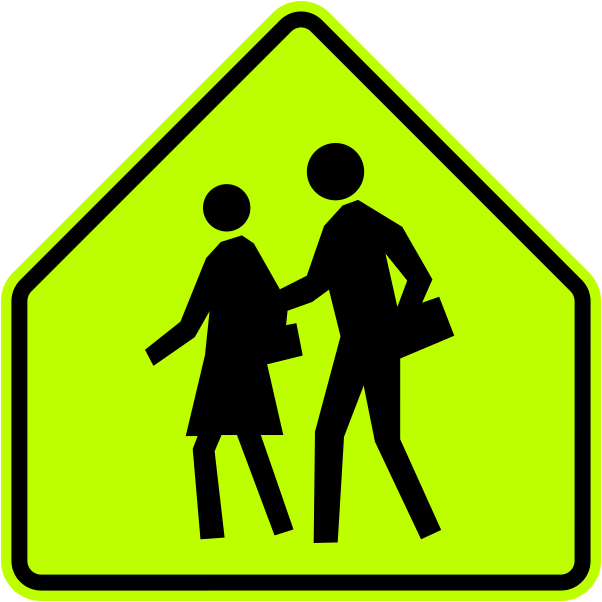
- A fluorescent yellow-green pentagon marks a school zone or school area.
- A yellow diamond warns of the hazard shown on it; an orange diamond gives construction-area information.
| Shape and colour | What it tells you |
|---|---|
| Green circle on a white square | The action shown is permitted |
| Red circle and slash on a white square | The action shown is not permitted |
| Regulatory message on a white rectangle | A rule such as the speed limit |
| Fluorescent yellow-green pentagon | School zone or school area |
| White message on a black square | Lane control |
| Yellow diamond | Caution: warning of the hazard shown |
| Orange diamond | Construction-area information |
| White message on a green rectangle | Information such as the distance to a destination |
| White message on a blue square | Fuel, food, lodging or assistance |
| Pictures on a green square | Transportation services such as an airport or ferry |
Signs in this section
Official source: Traffic control ↗
2.Regulatory signs: right-of-way, direction and speed
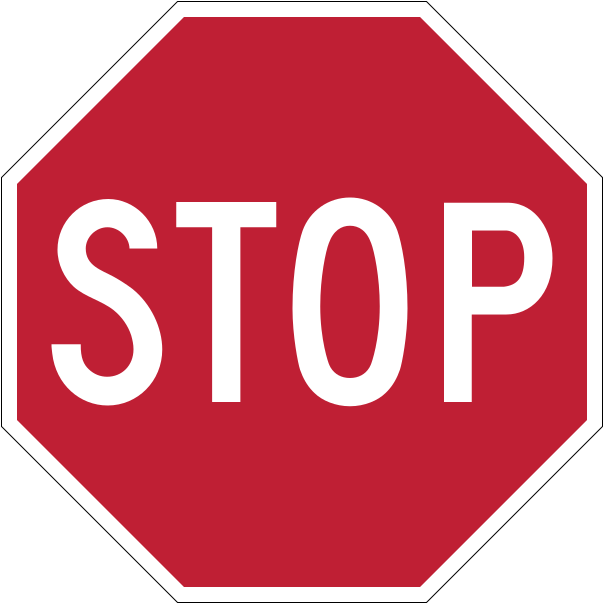
- Stop: come to a complete stop and do not go on until it is safe.
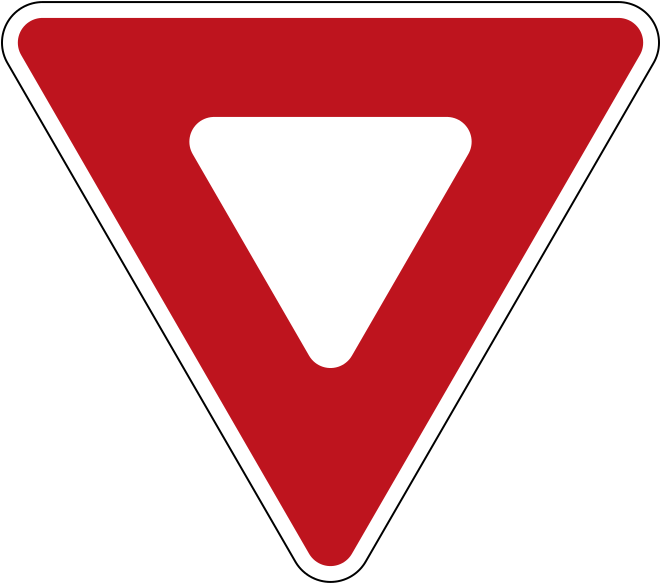
- Yield: give the right-of-way to traffic not facing the sign and to every pedestrian waiting to cross or already in the crosswalk or intersection.
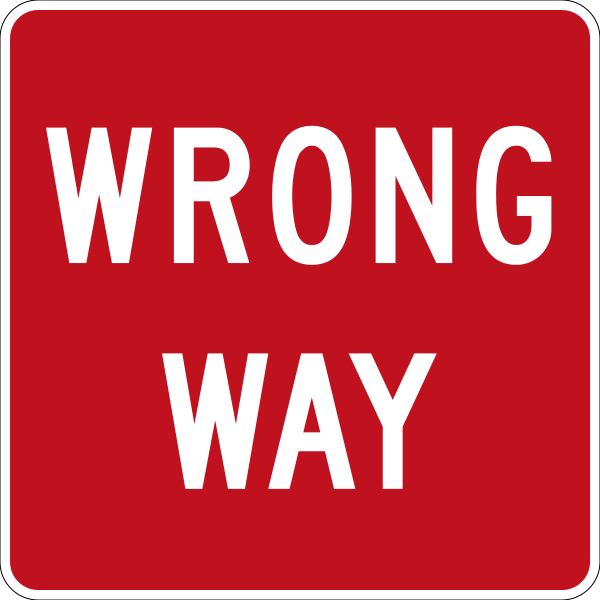
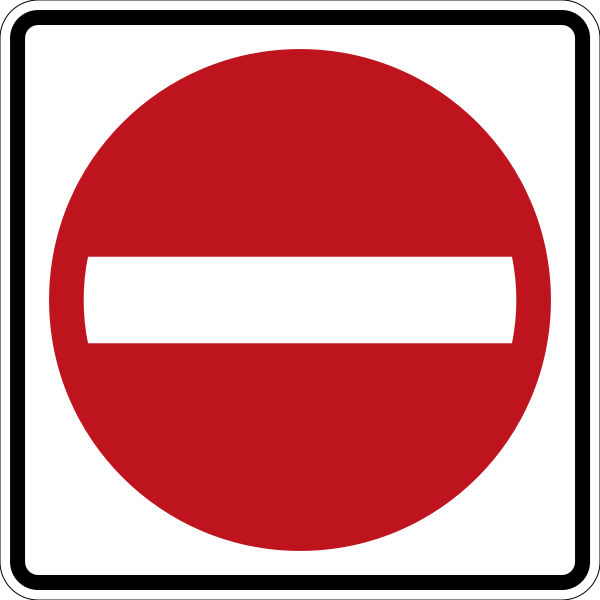
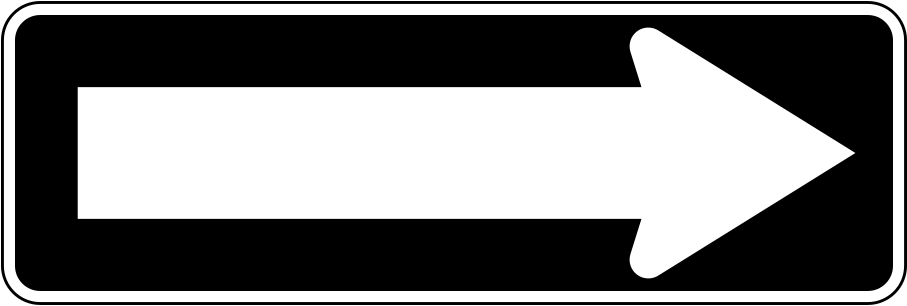
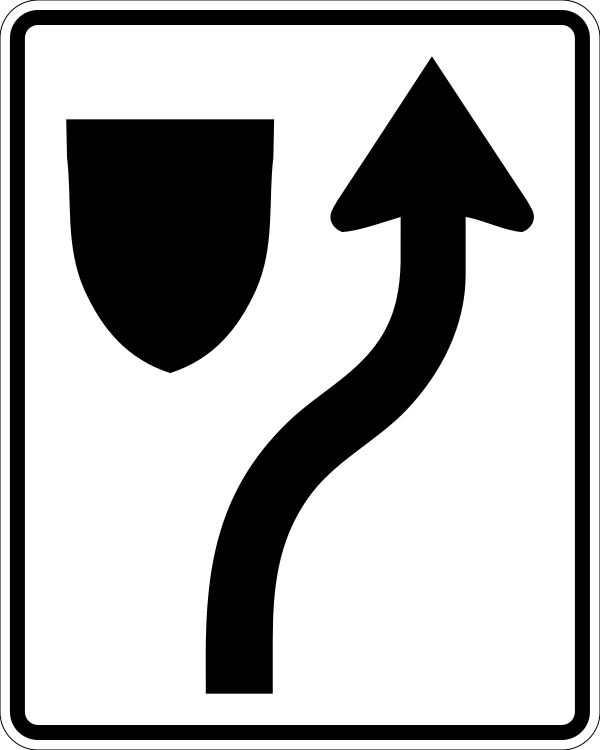
- Direction signs: wrong way means traffic is coming toward you in that direction; do not enter; proceed only in the direction of the arrow; two-way traffic; and divider ahead, keep right.
- A railway crossing sign stands at every public railway crossing and means you must yield to all trains. Where there is more than one track, the sign shows how many.
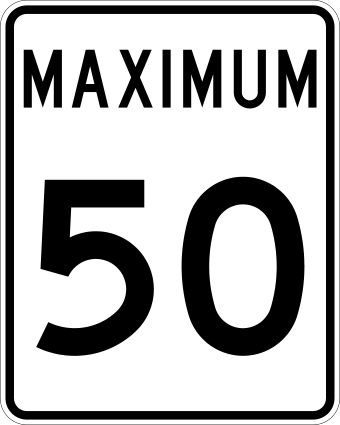
- A speed limit is the maximum permitted when conditions are ideal, not a target. Any speed that is unsafe for the conditions is illegal. Limits are posted in km/h.
- Where no limit is posted, the defaults in the table apply. Municipalities may set different limits by bylaw, so watch for posted signs.
- A provincial highway is marked by a route marker with a single-digit, two-digit or three-digit number; a local road usually has a name instead, such as a township or range road.
| Road (unless otherwise posted) | Maximum speed |
|---|---|
| Provincial highway outside an urban area | 100 km/h |
| Provincial highway inside the corporate limit of a city | 80 km/h |
| Other roadway outside an urban area | 80 km/h |
| Roadway within an urban area | 50 km/h |
Signs in this section

Official source: Traffic control ↗ · Sharing the road ↗
3.Lane, permissive, prohibitive and parking signs
- A designated lane sign shows the direction or directions a vehicle in that lane must travel, such as left turn only, straight or right, or straight only.
- Where a sign allows two lanes to turn together (dual left or dual right turn), keep your lane position during and after the turn.
- Reserved lane signs set a lane aside for vehicles such as buses, taxis or bicycles, shown by the symbol. A lane reserved only part of the time shows the hours and days it applies.
- Permissive signs show the permitted action inside a green circle on a white square: turn left only, turn right only, straight only, passing permitted, or a route for trucks, dangerous goods, bicycles or snow vehicles.
- Prohibitive signs put a red circle and diagonal red bar over the action that is not permitted: no left or right turn, no U-turn, do not pass, do not pass bicycles, and no pedestrians, trucks, bicycles, snow vehicles or dangerous goods.
- No parking and no stopping signs apply on the days and at the times shown. An arrow under the symbol shows where the ban applies.
- It is illegal for any vehicle to park or stop in a stall reserved for persons with disabilities unless it displays an identifying parking placard or licence plate.
Signs in this section
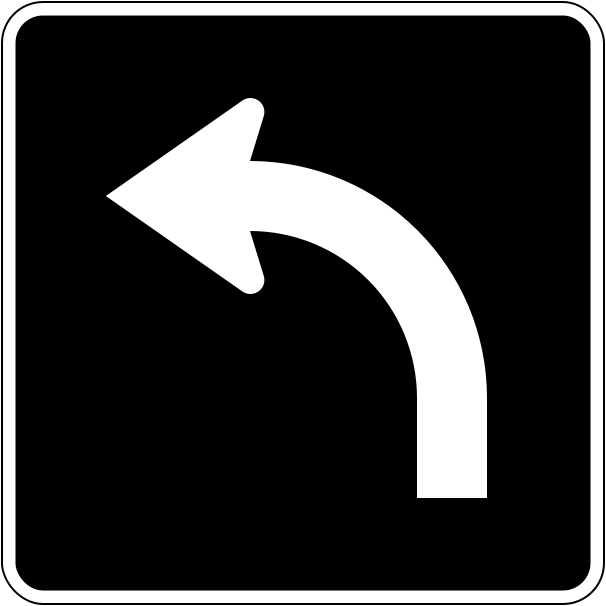 Left turn lane
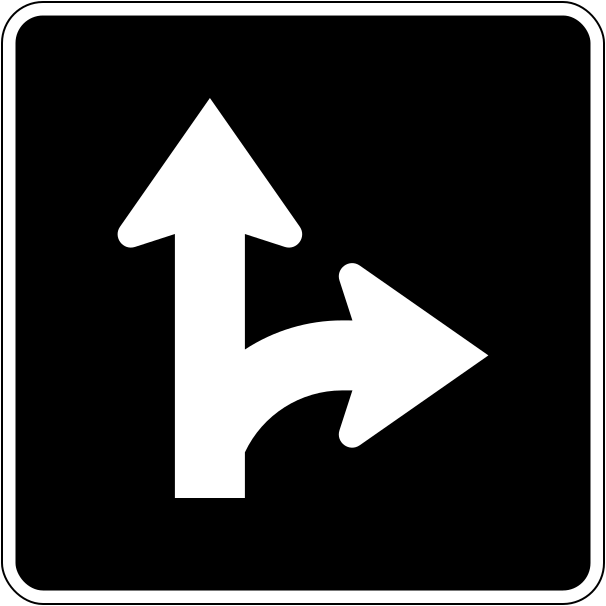 Straight or right turn lane
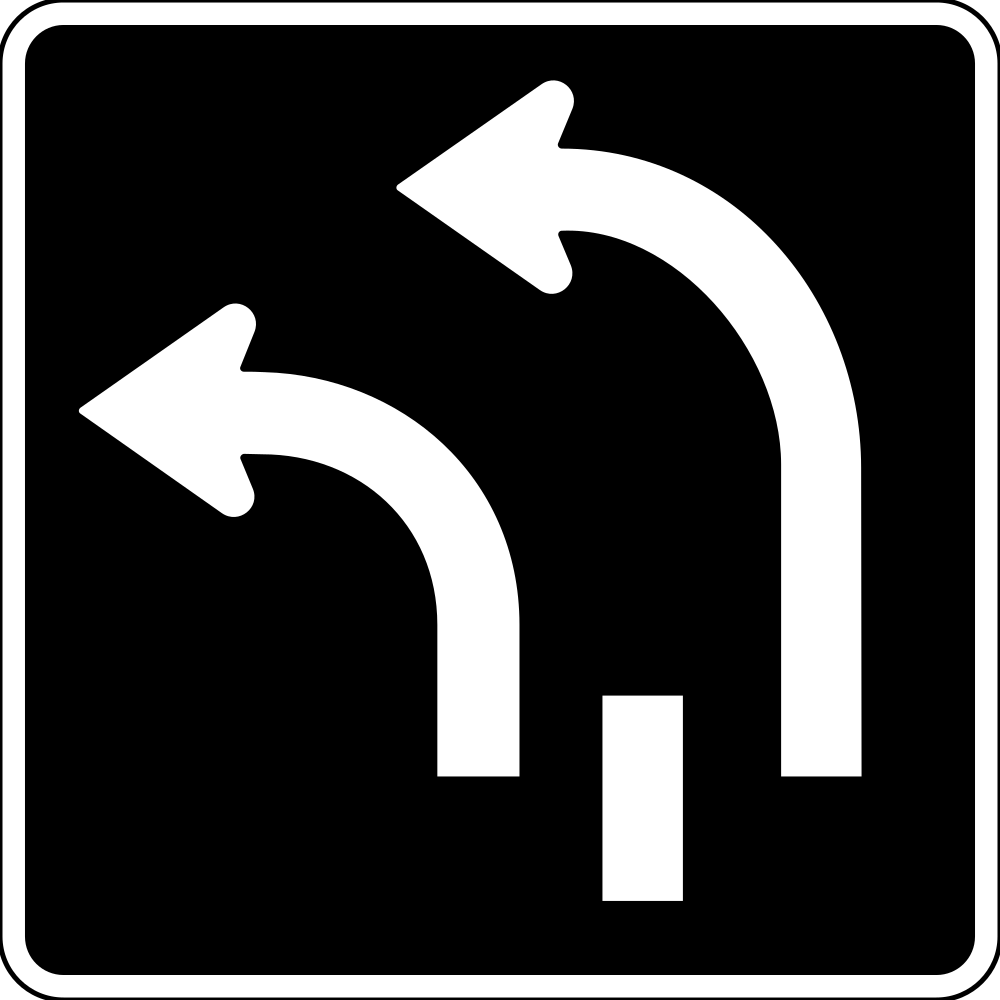 Dual left turn lanes
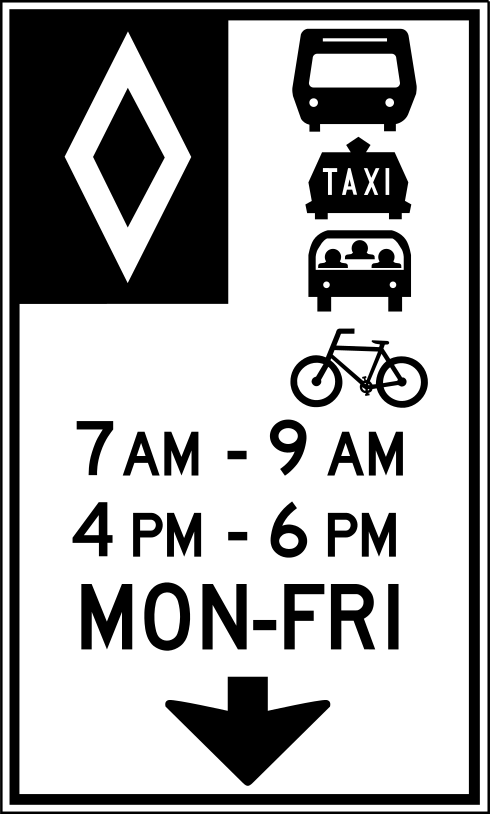 Reserved lane
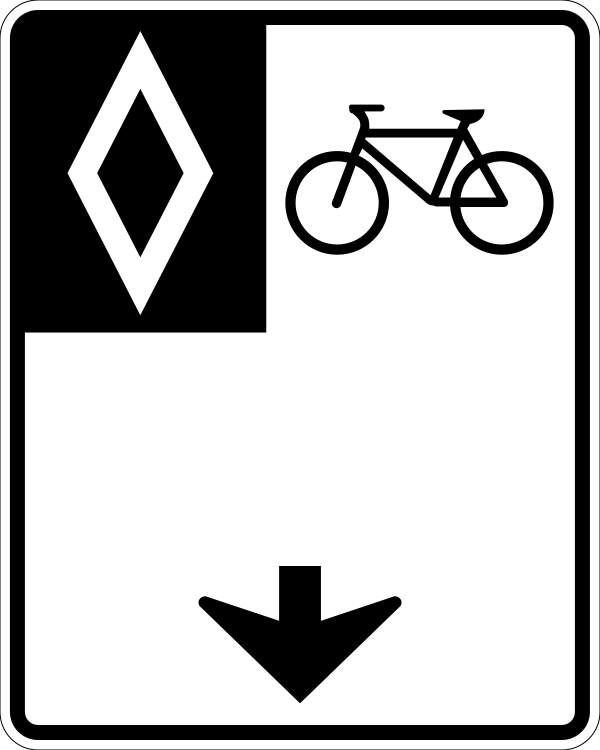 Reserved bicycle lane
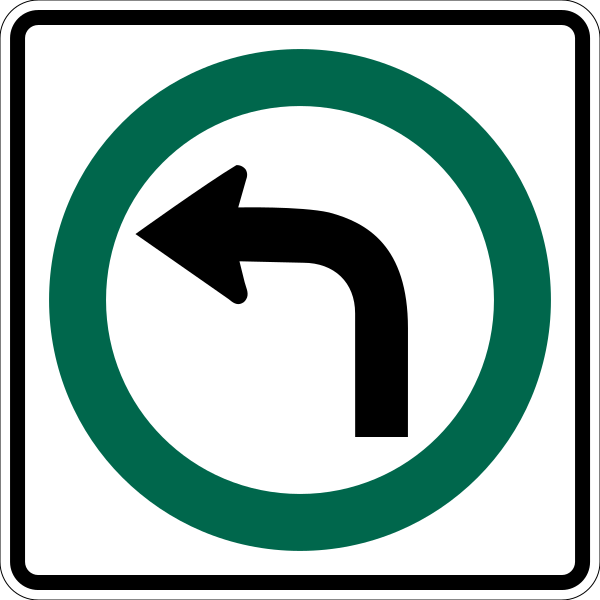 Turn left only (permissive)
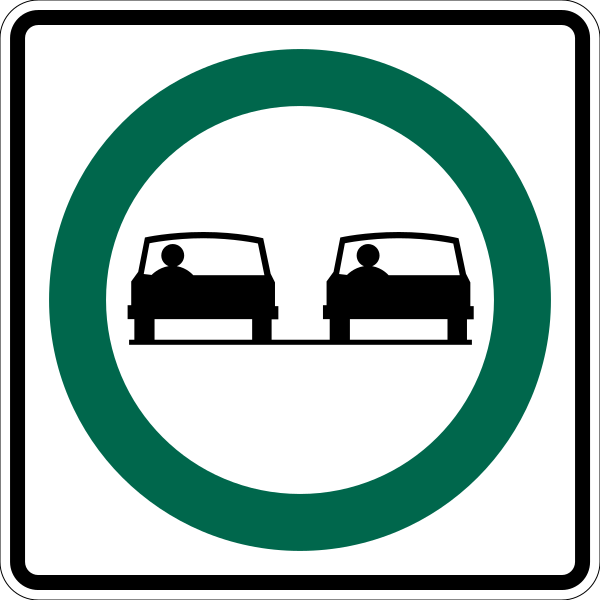 Passing permitted
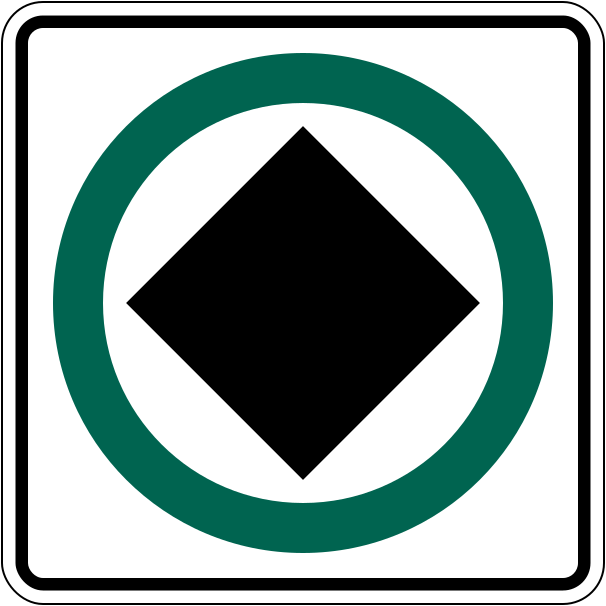 Dangerous goods route
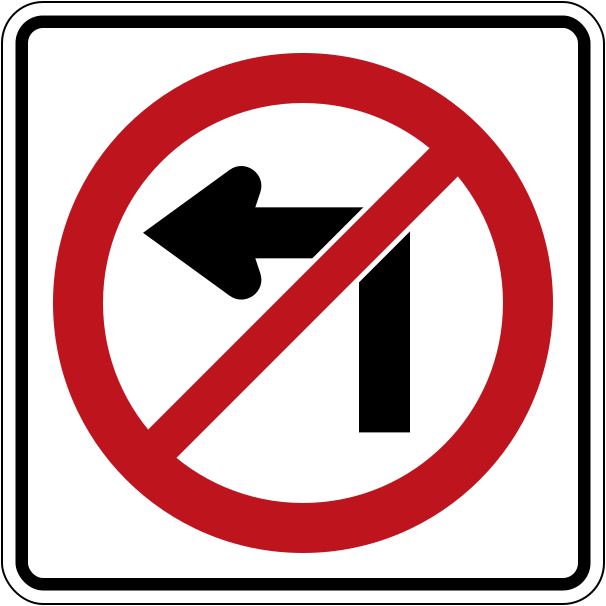 No left turn
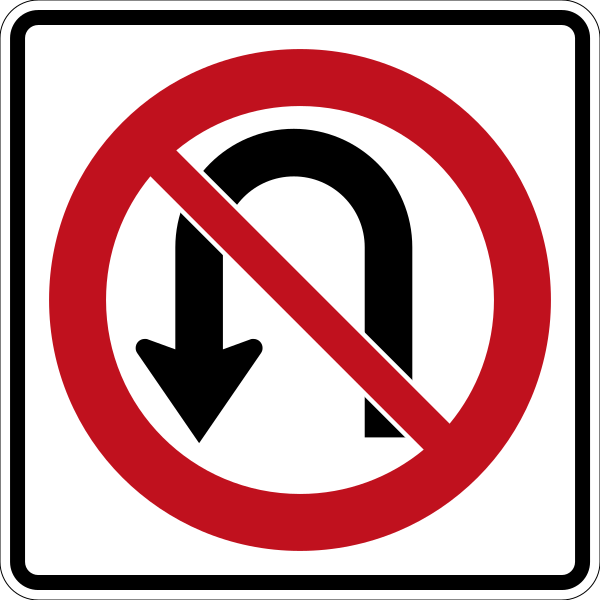 No U-turn
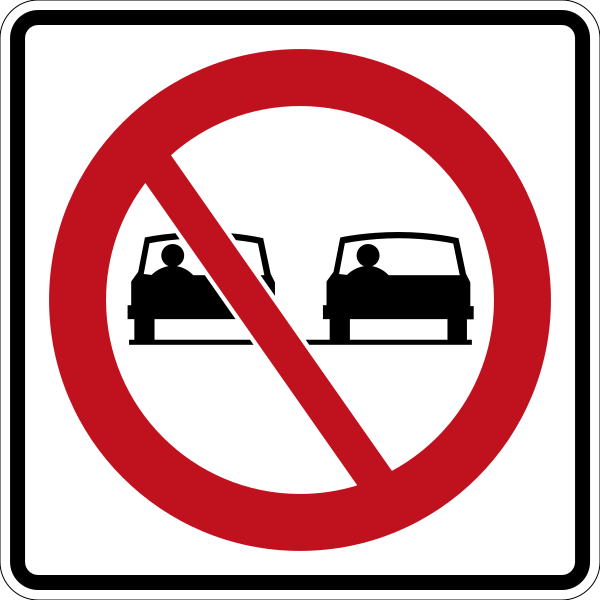 Do not pass
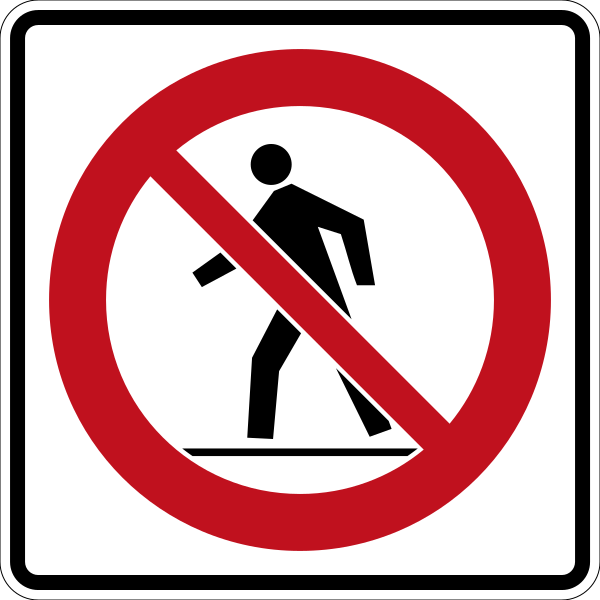 No pedestrians
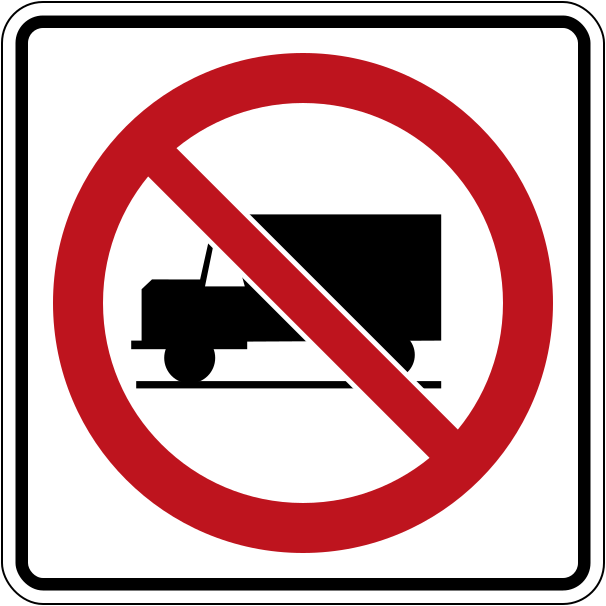 No trucks
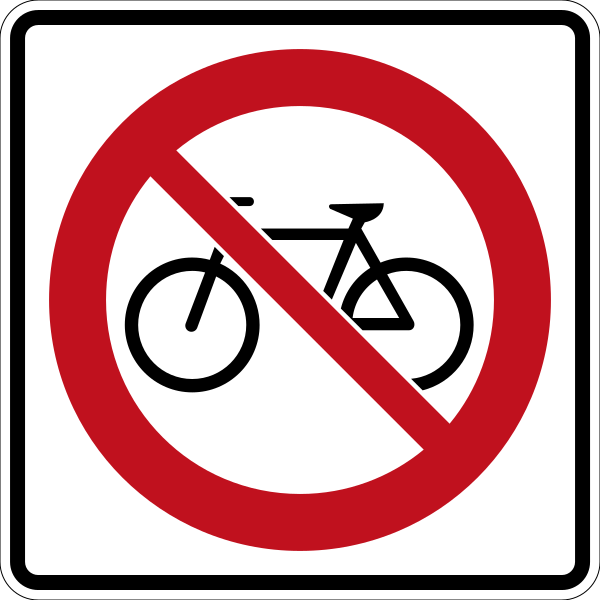 No bicycles
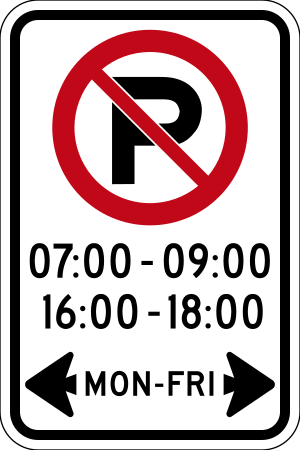 No parking (days and times shown)
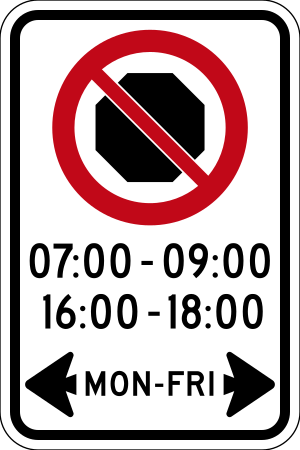 No stopping (days and times shown)
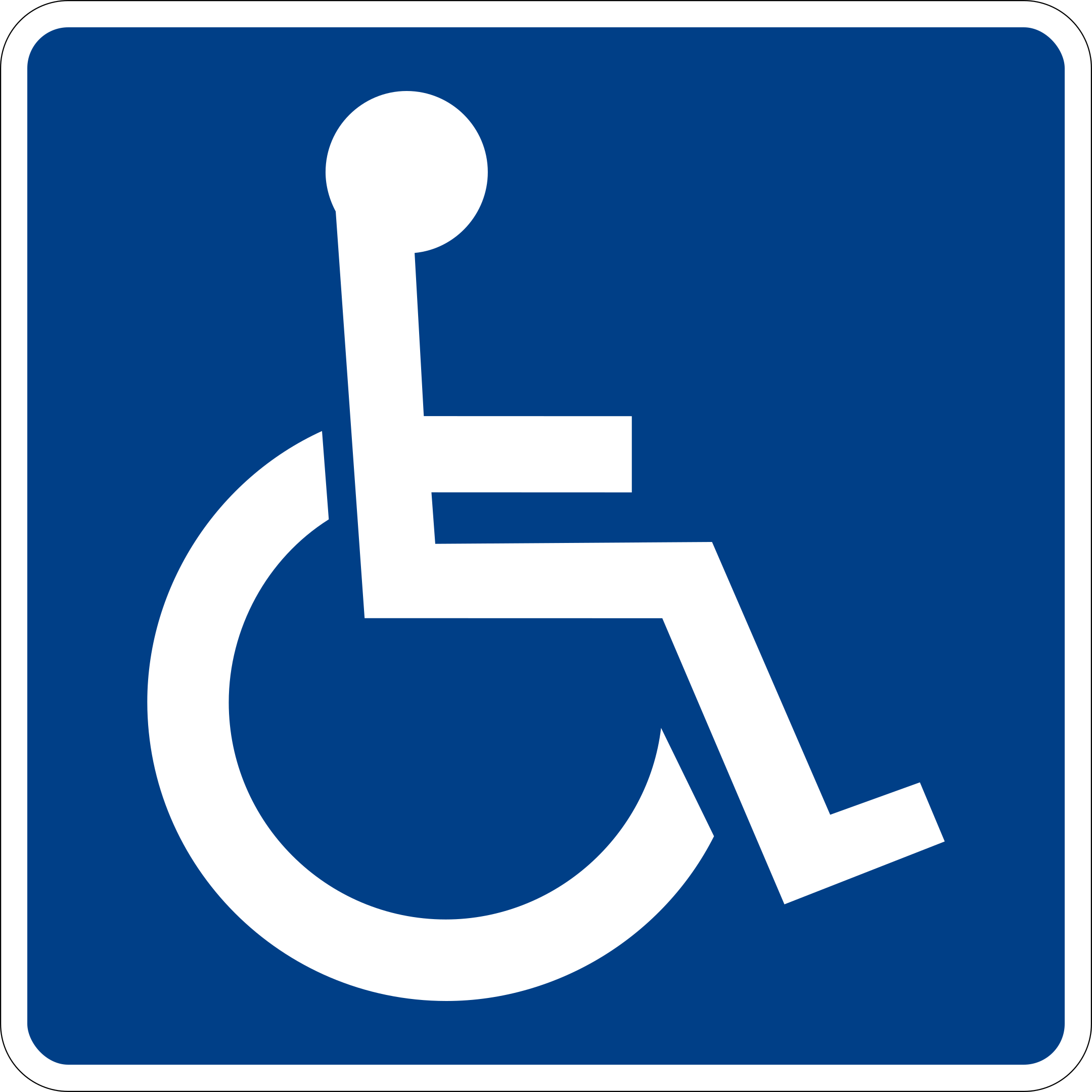 Parking for persons with disabilities
Official source: Traffic control ↗
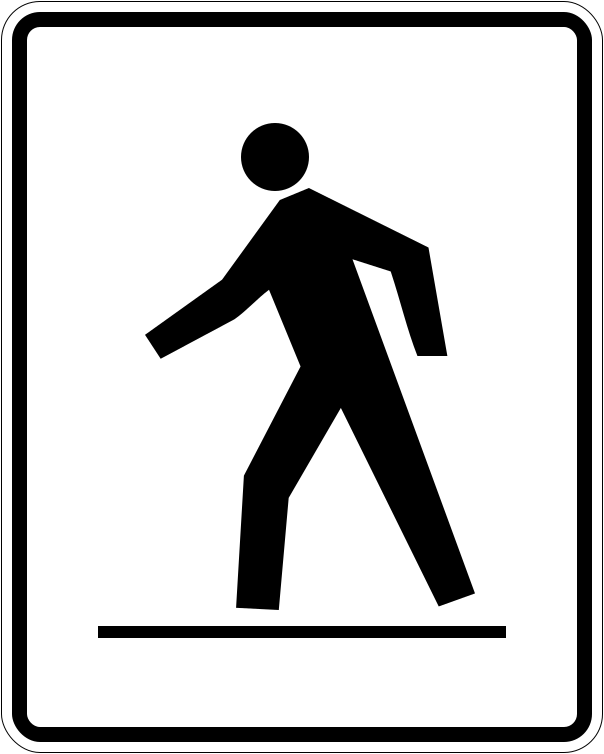
4.School zones and school areas
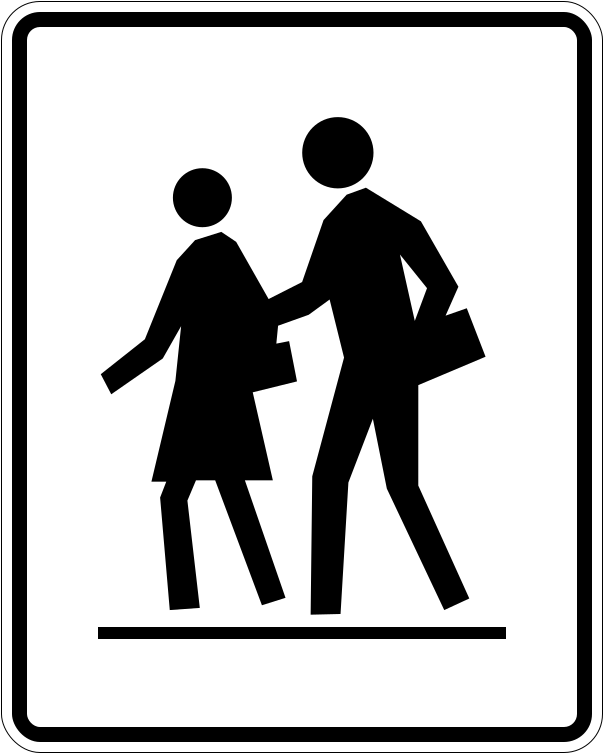
- A school sign with a maximum speed posted with it marks a school zone. While the zone is in effect, do not exceed the posted speed.
- The school zone limit is 30 km/h in both urban and rural areas unless another speed is posted.
- School zones apply on school days only, in the three periods in the table. A town or city may set other times by bylaw; if so, they are posted beneath the school sign.
- You may not pass, or try to pass, a vehicle travelling in the same direction inside a school zone while it is in effect.
- A school zone ends at a sign showing a higher maximum speed or the end of the school zone.
- A school sign with no speed sign attached marks a school area: children may be walking or crossing the road, so drive through with caution.
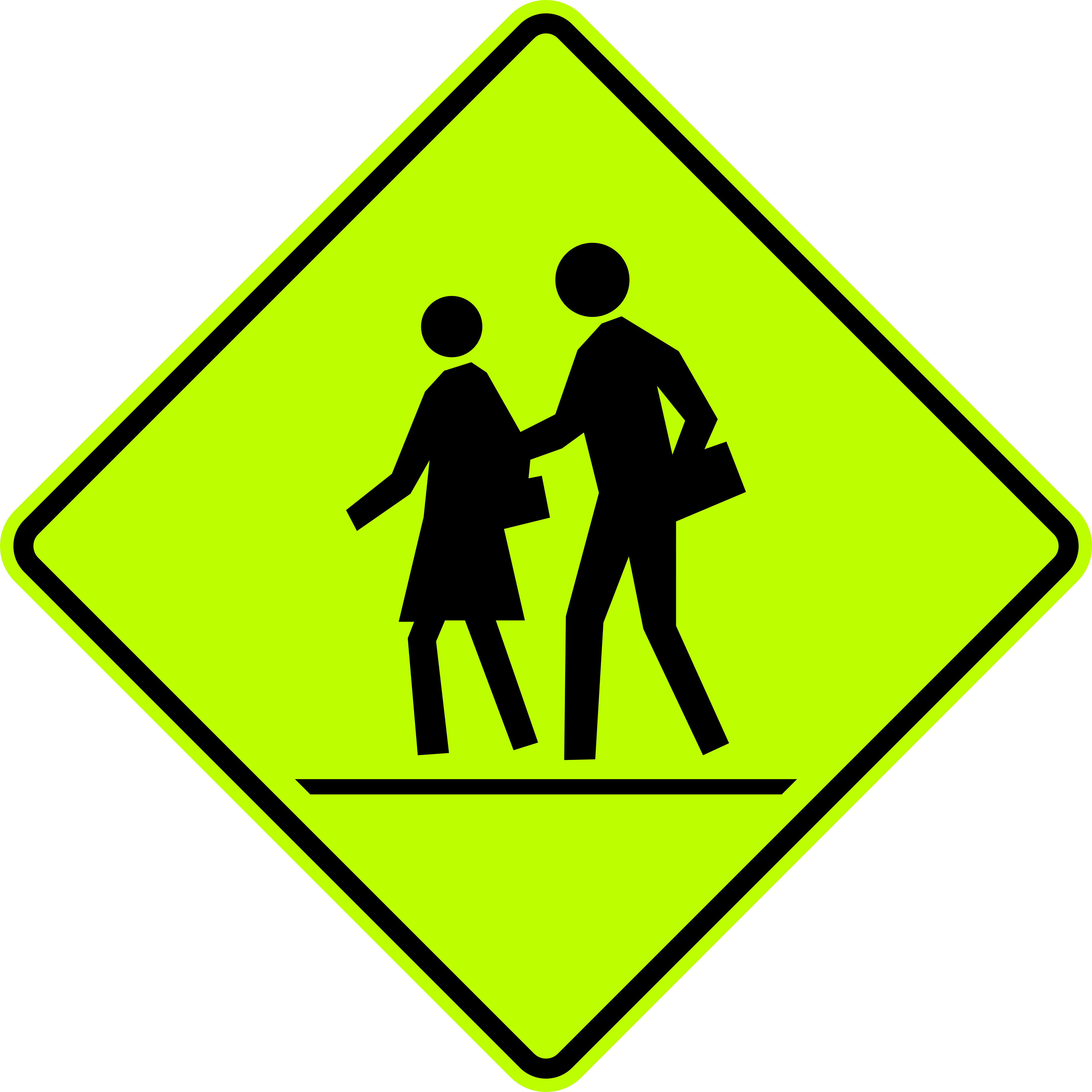
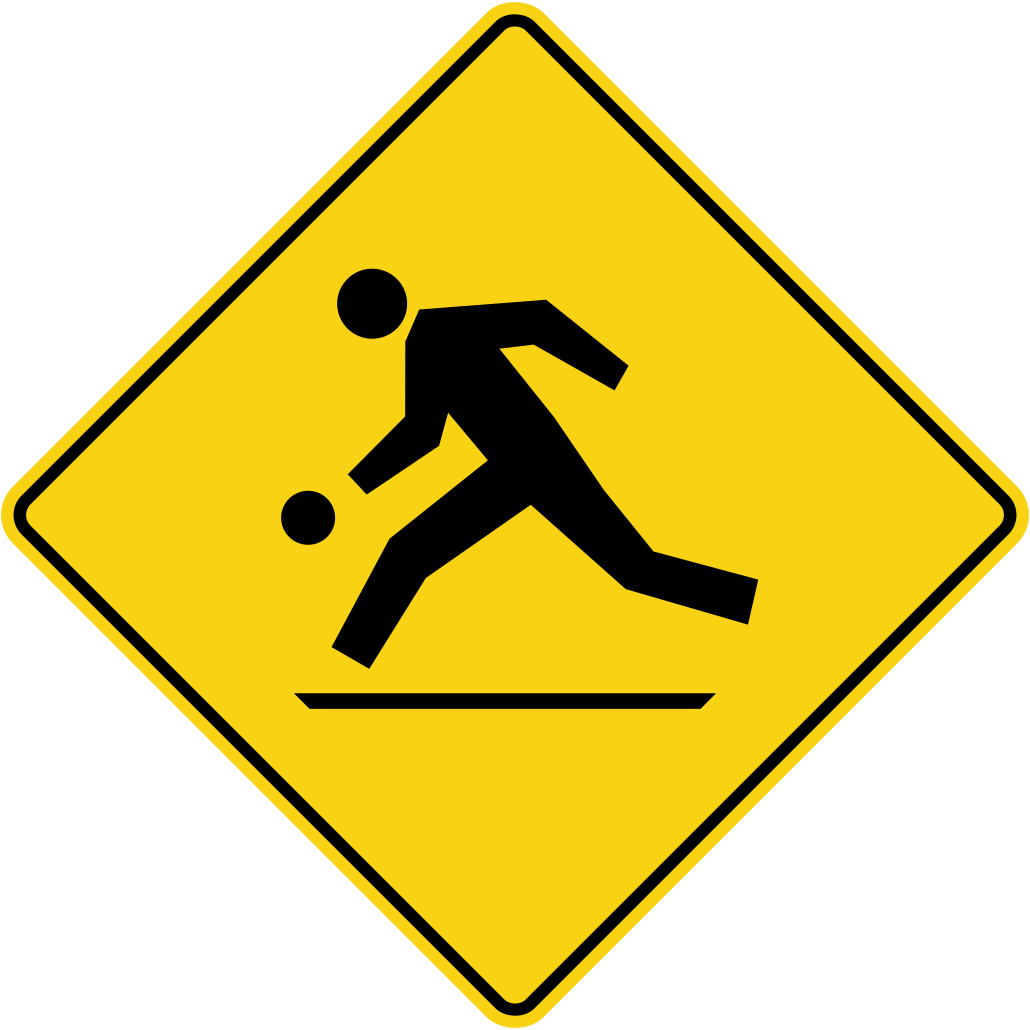
- When yellow lights flash on a school, playground or pedestrian crossing sign, slow to a maximum of 30 km/h and yield or stop for pedestrians.
| School day period | School zone in effect |
|---|---|
| Morning | 8:00 a.m. to 9:30 a.m. |
| Lunch period | 11:30 a.m. to 1:30 p.m. |
| End of the school day | 3:00 p.m. to 4:30 p.m. |
Signs in this section

Official source: Traffic control ↗ · School and playground zones ↗
5.Playground zones and playground areas
- A playground sign with a maximum speed sign attached marks a playground zone. While the zone is in effect, do not exceed the posted speed.
- During its hours, the playground zone limit is 30 km/h in both urban and rural areas unless another speed is posted.
- Playground zones are in effect every day, not just school days, from 8:30 a.m. until one hour after sunset.
- A town or city may set other hours by bylaw; if so, they are posted beneath the playground sign.
- You may not pass, or try to pass, a vehicle travelling in the same direction inside a playground zone while the speed restriction is in effect.
- A playground zone ends at a sign showing a higher maximum speed or the end of the playground zone.
- A playground sign with no speed limit sign attached marks a playground area: children may be near, so drive through with caution.
| Rule | School zone | Playground zone |
|---|---|---|
| Speed unless otherwise posted | 30 km/h | 30 km/h |
| Days | School days only | Every day |
| Hours | Three set periods (see the school zone table) | 8:30 a.m. to one hour after sunset |
| Same sign without a speed sign | School area: caution | Playground area: caution |
Signs in this section
Official source: Traffic control ↗ · School and playground zones ↗
6.Warning signs
- Warning signs give advance notice of an action you will need to take or of hazardous conditions on or near the road. Most are yellow diamonds.
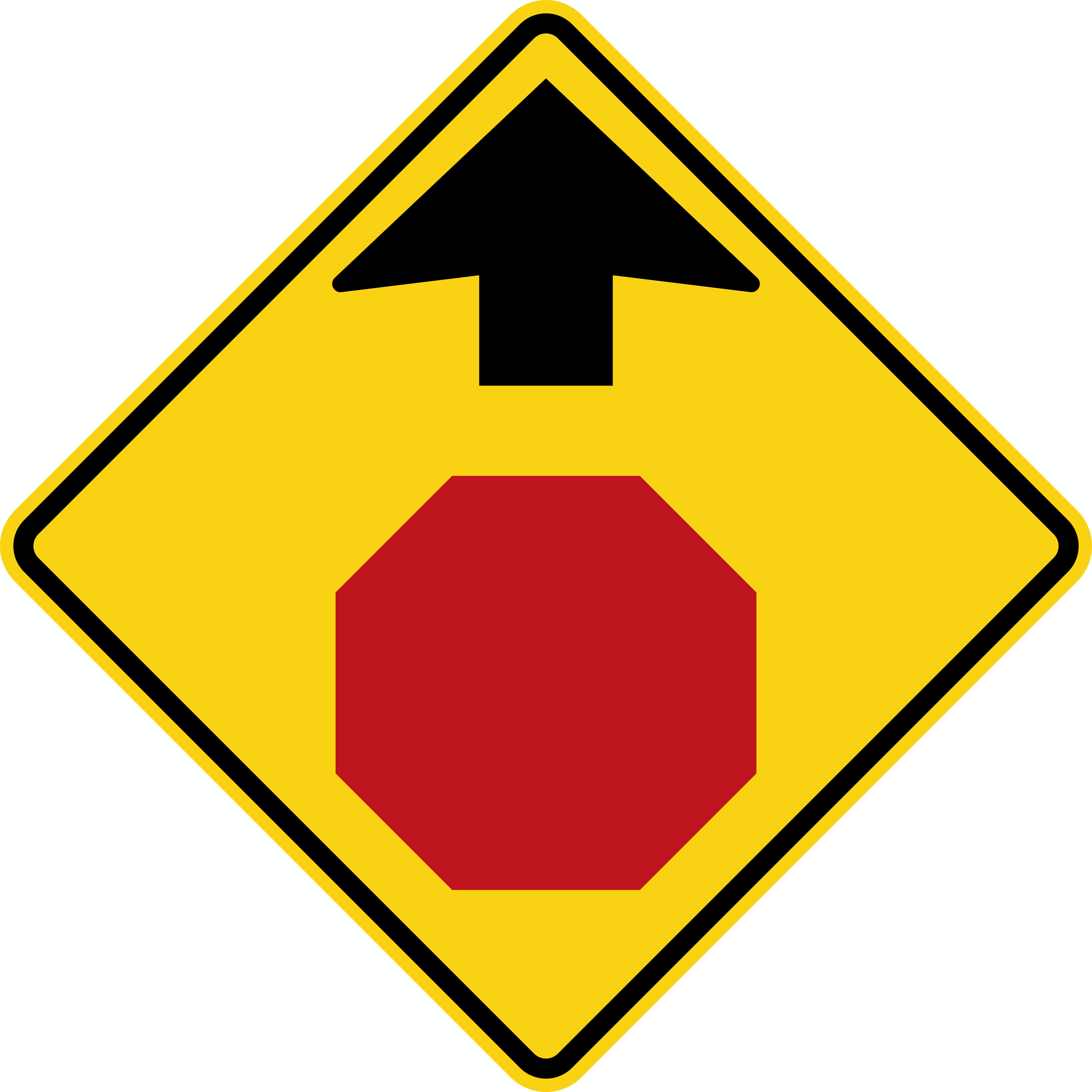
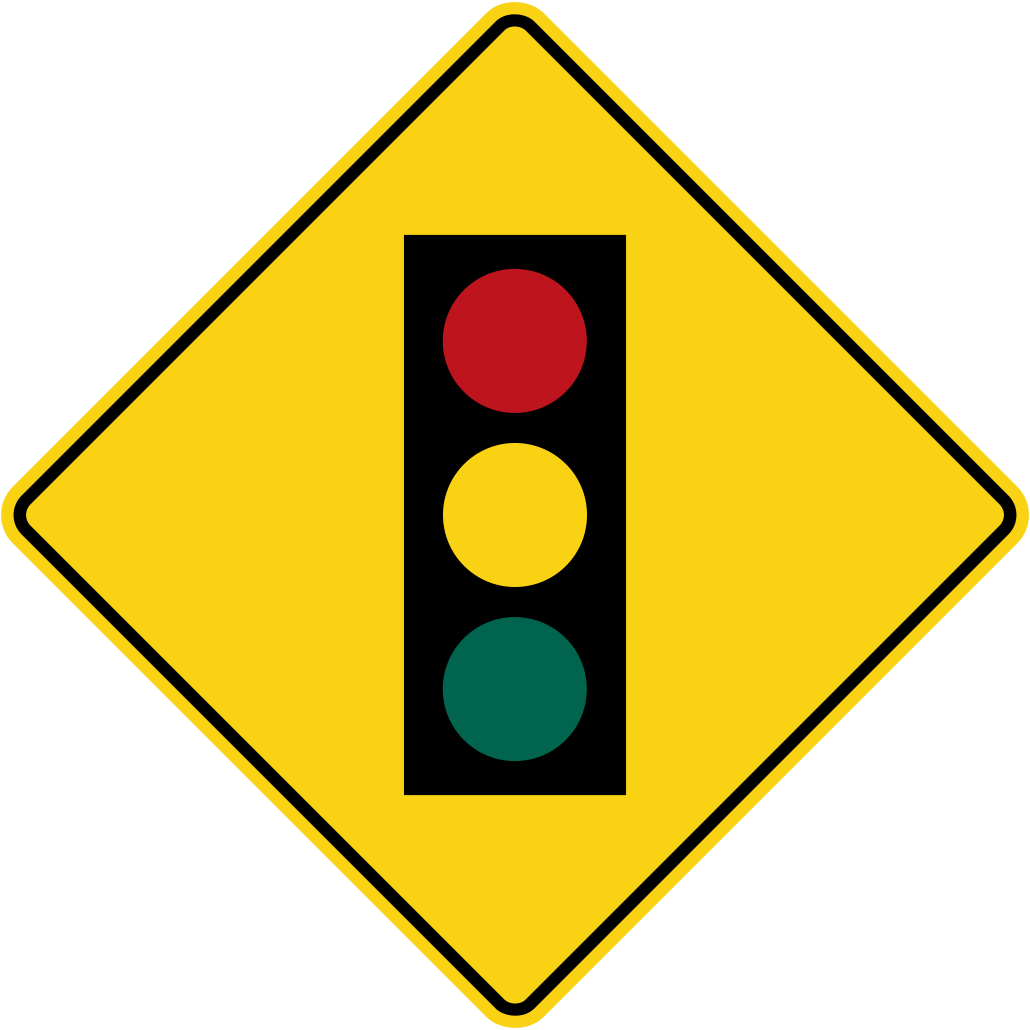
- Some warn of a traffic control ahead: stop ahead, yield ahead, traffic control signals ahead and school bus stop ahead.
- The stop at traffic lights ahead sign has yellow lights. When they flash, prepare to stop: the signal ahead is changing from green to yellow or yellow to red, or is already red.
- Curve and turn signs show the shape of the road ahead. A speed tab under a curve sign is the recommended maximum speed through the curve under ideal conditions, and chevrons mark a sharp bend.
- Crossing signs warn of pedestrians, animals, cyclists, snow vehicles or a railway ahead. The railway advance warning sign means look, listen and slow down; a speed sign below it is the recommended speed for the crossing, lower than the posted limit.
- Other signs warn of intersections and joining roads (T intersection, hidden road, merging traffic, roundabout), narrowing roads and ending lanes, and changing conditions such as slippery when wet, a bump, pavement ends or a divided highway beginning.
- Shared-use signs warn you to give cyclists space; a single file sign means cyclists may use the full lane ahead because it is too narrow to drive side by side.
Signs in this section
 Stop sign ahead
 Traffic control signals ahead
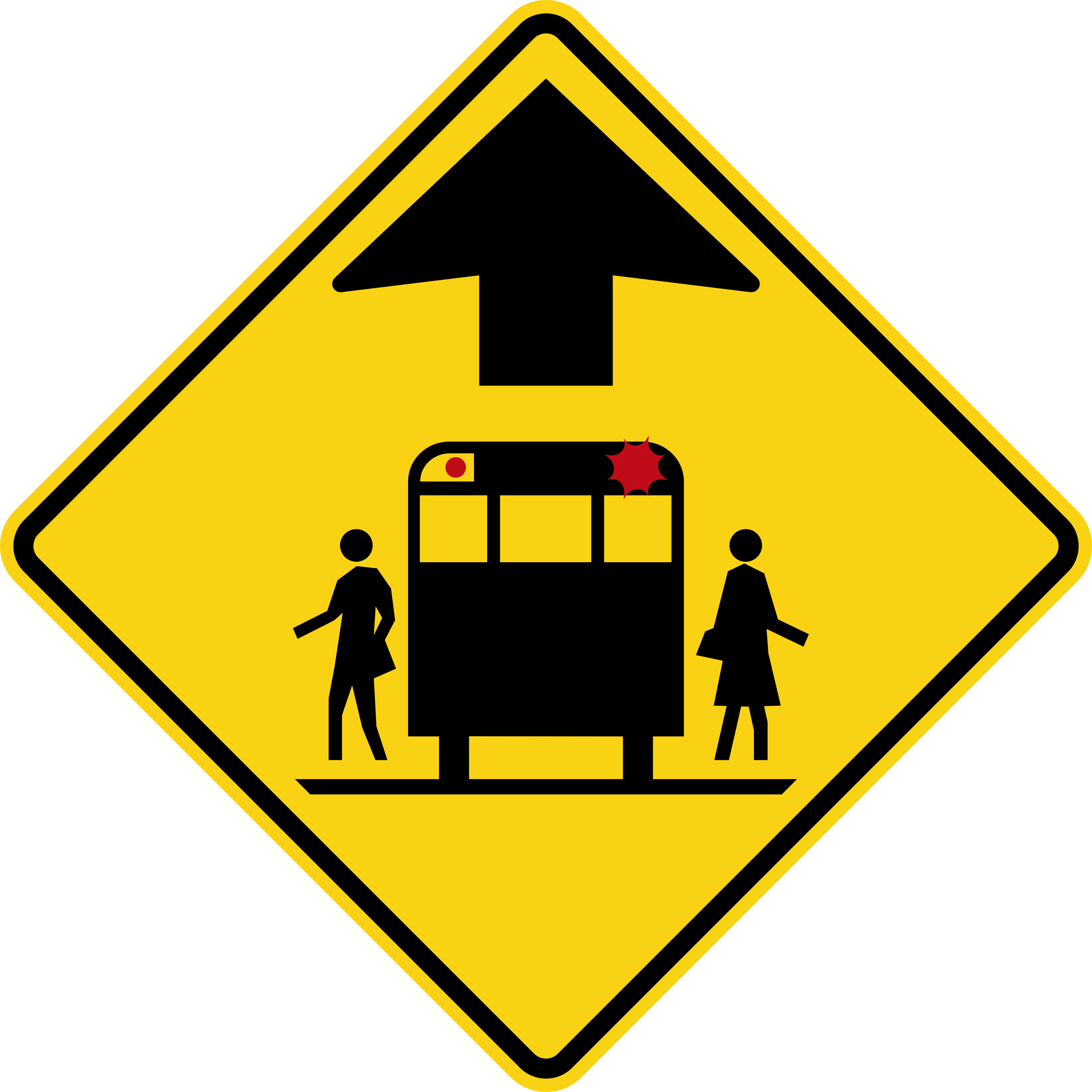 School bus stop ahead
- Prepare to stop when lights flashing
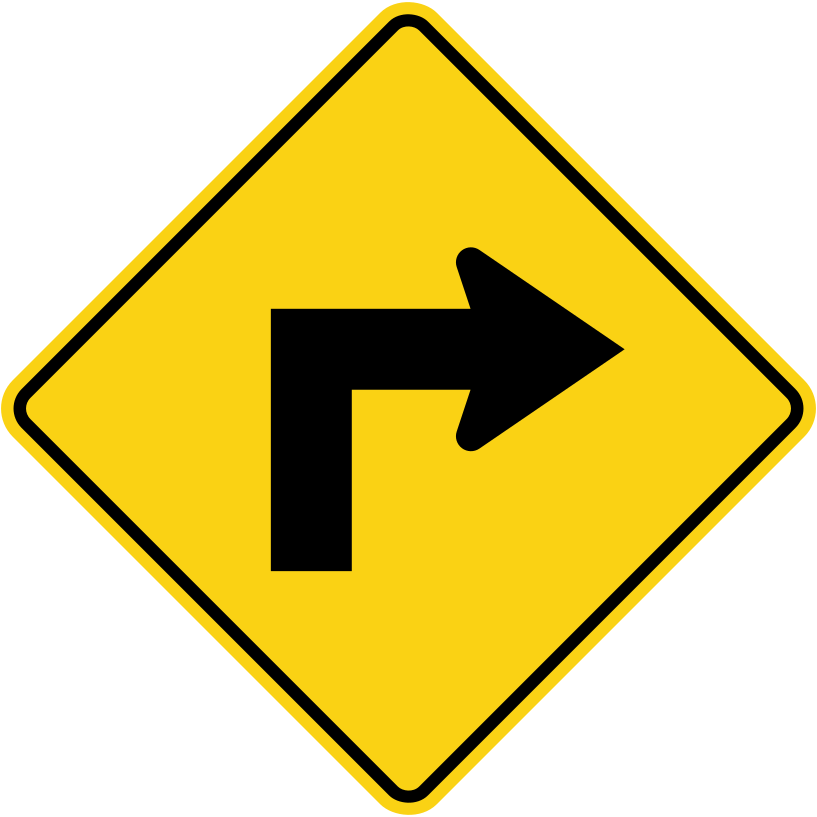 Sharp turn right
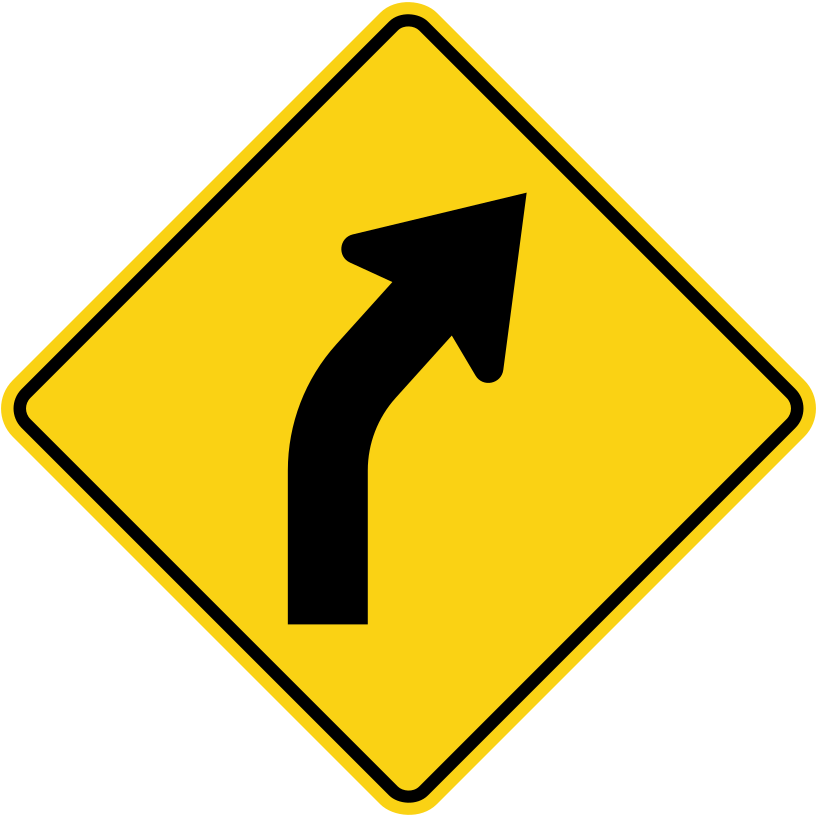 Curve right
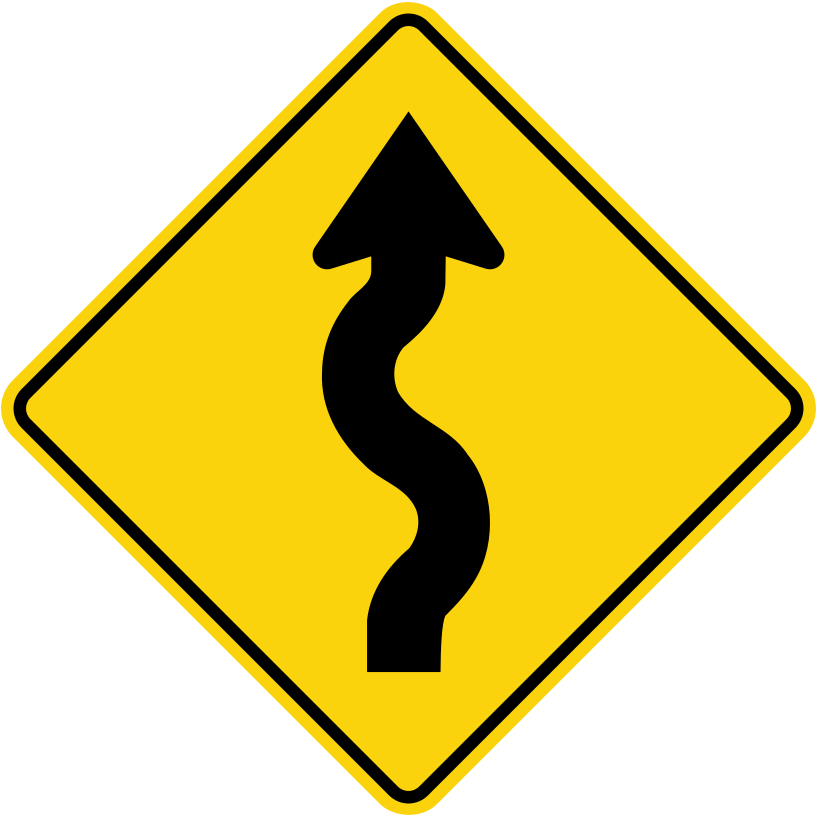 Winding road
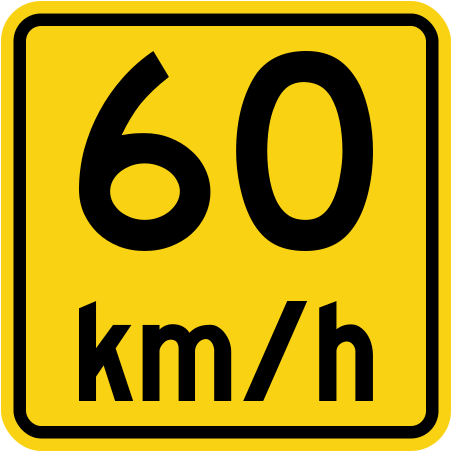 Advisory speed for a curve
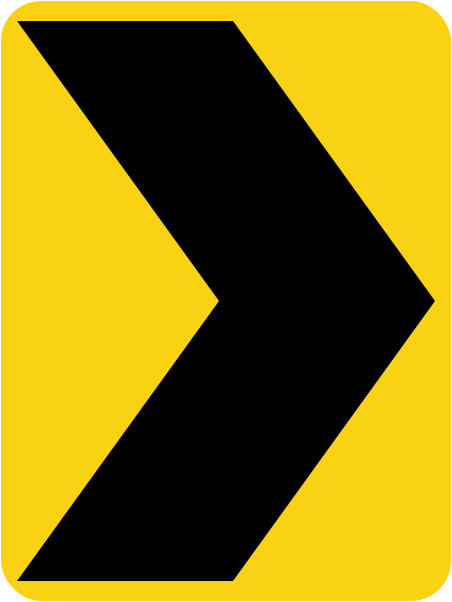 Chevron (sharp bend)
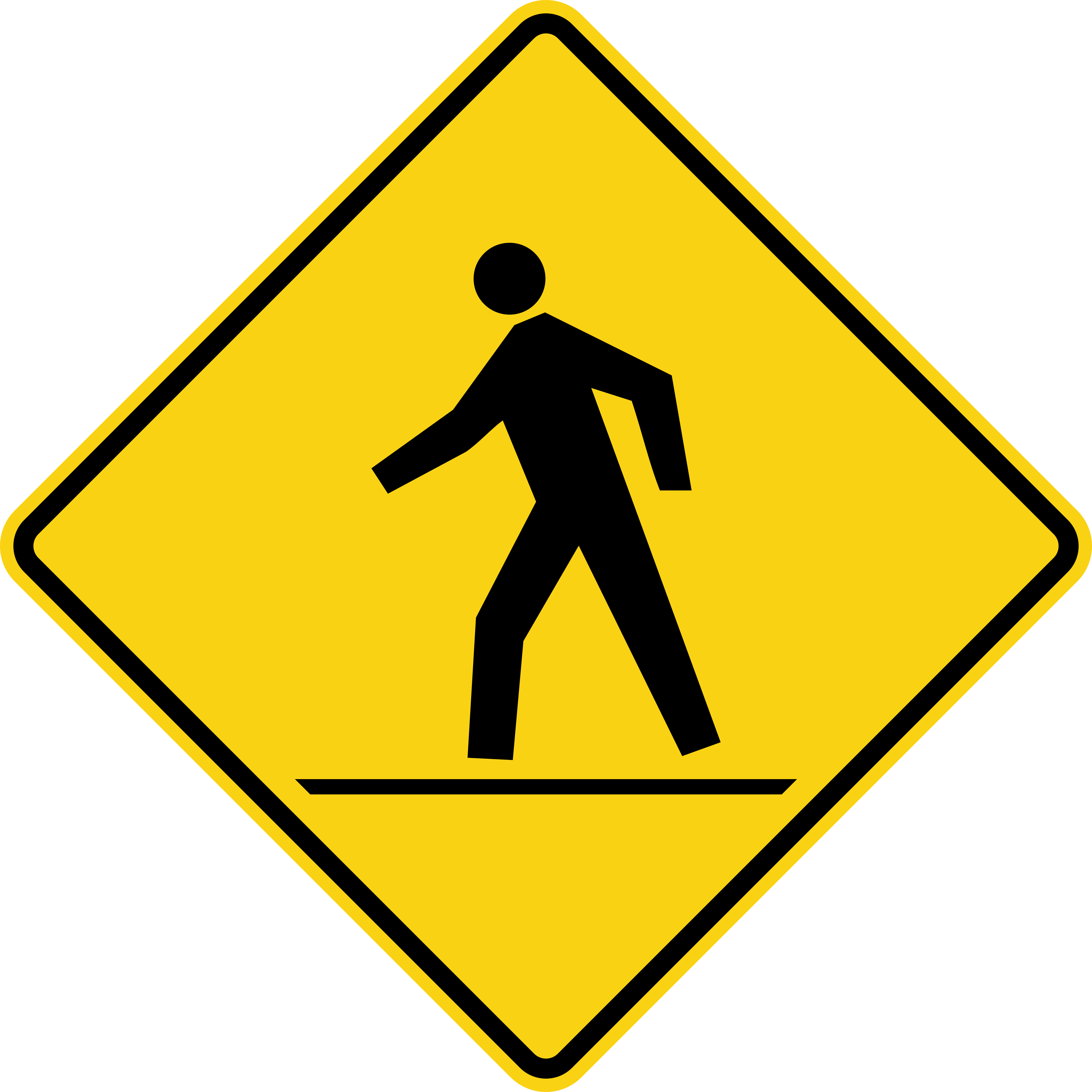 Pedestrian crossing ahead
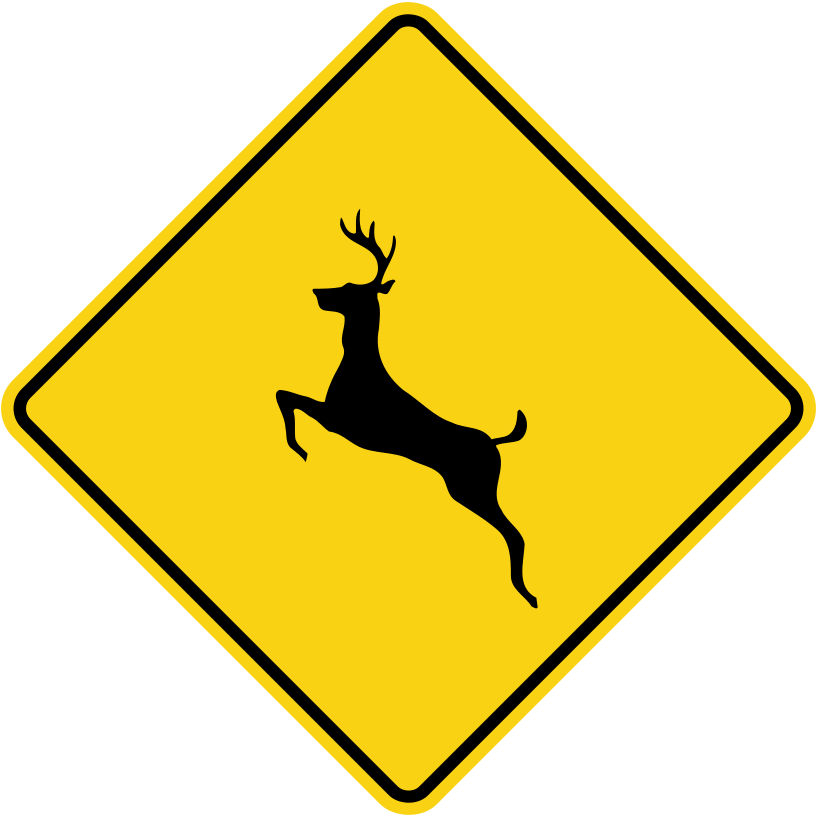 Animal crossing
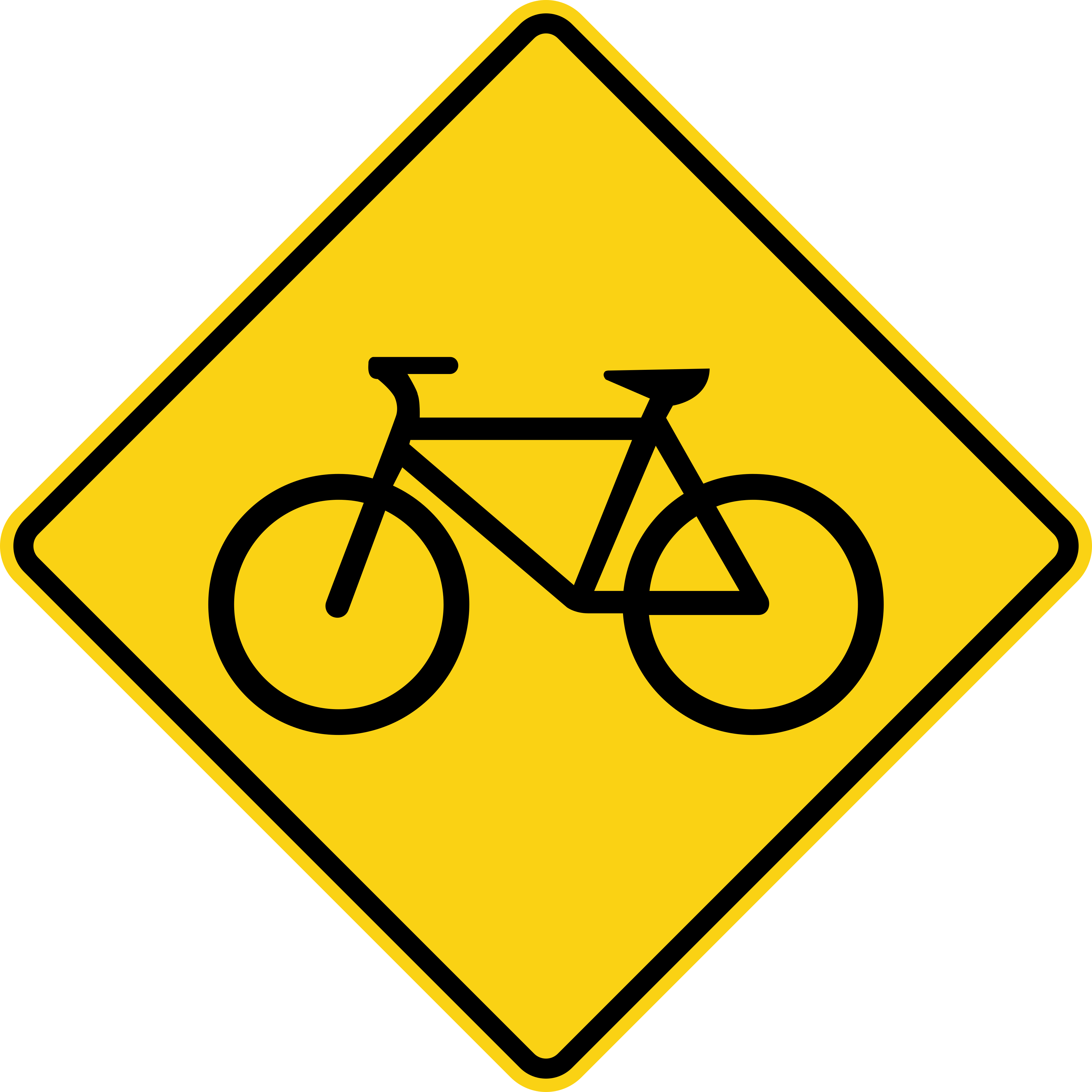 Bicycle crossing
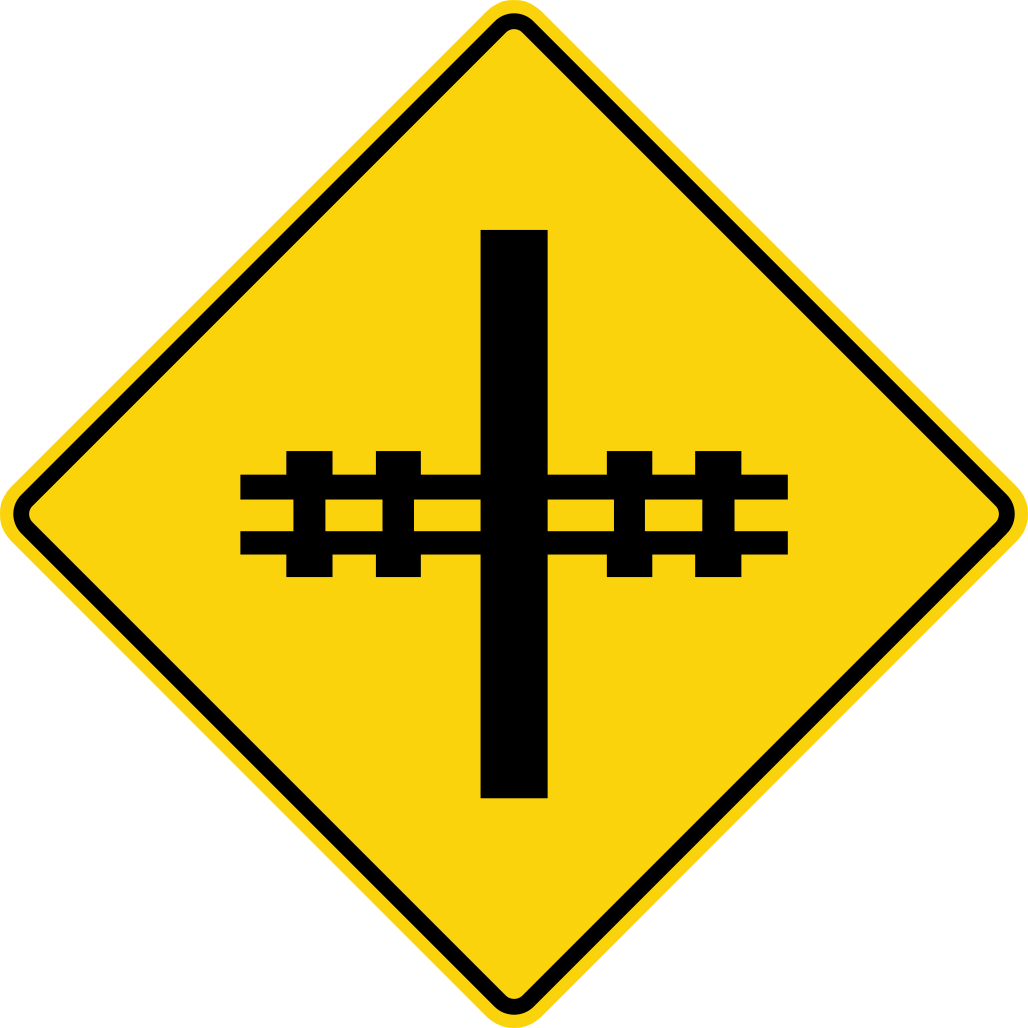 Railway crossing ahead
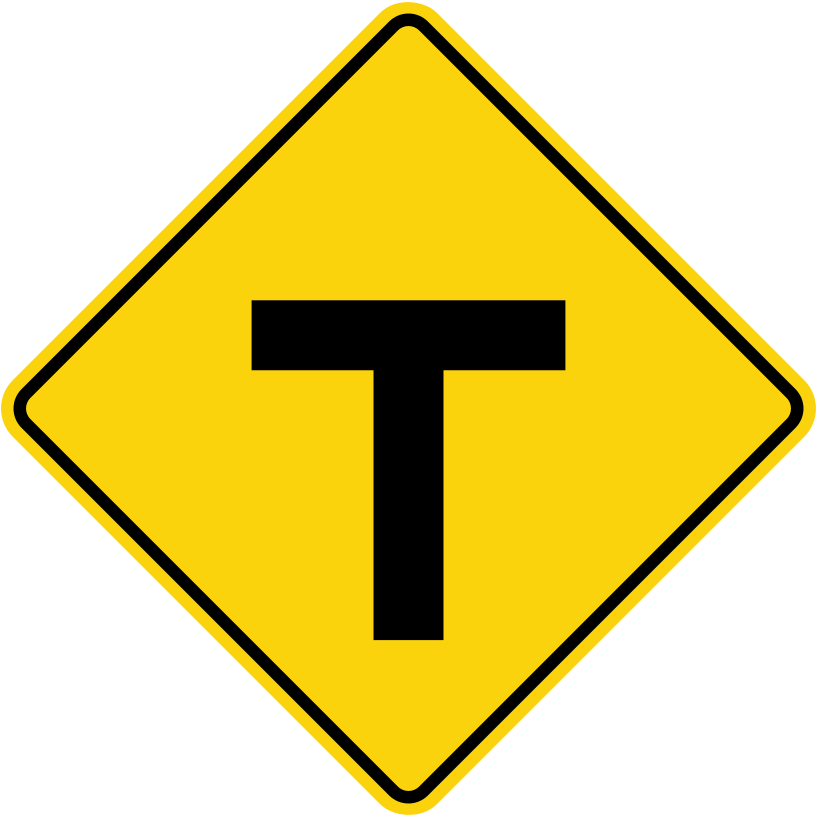 T intersection
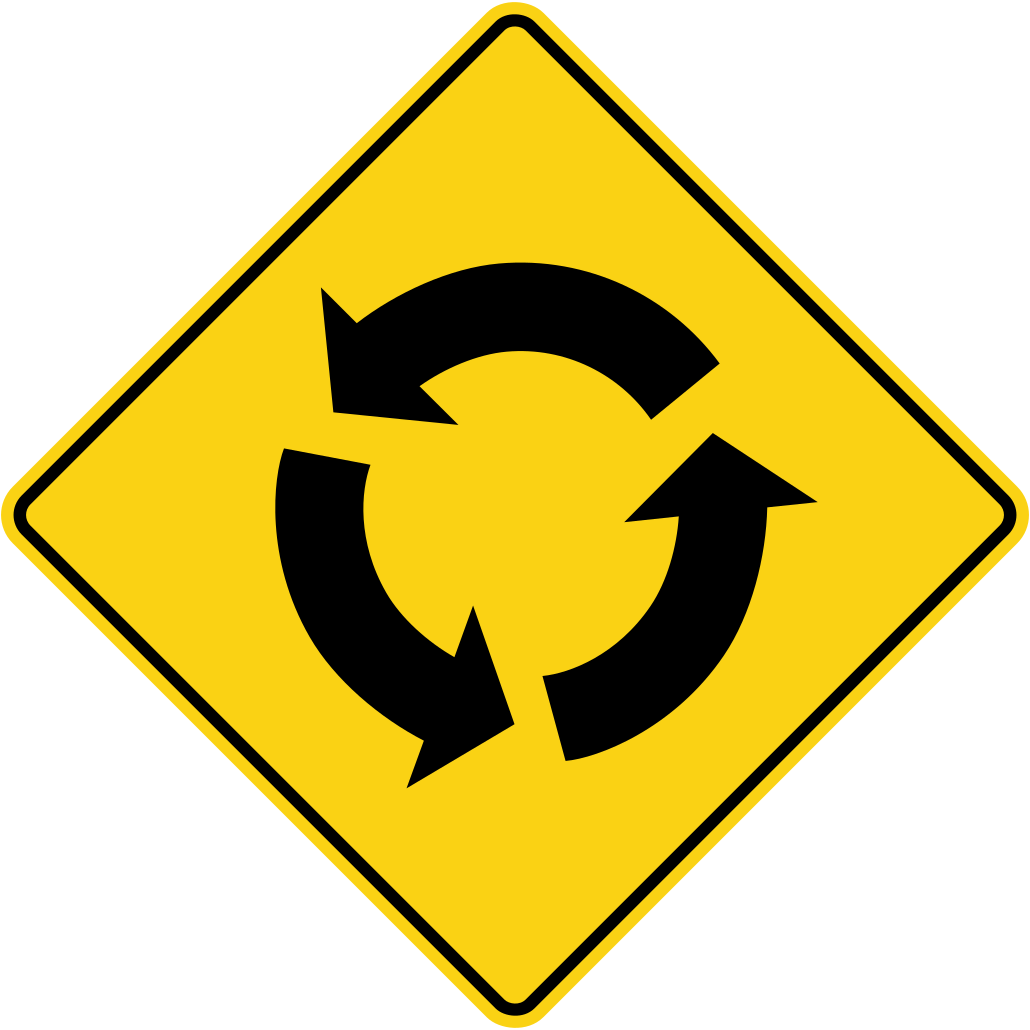 Roundabout ahead
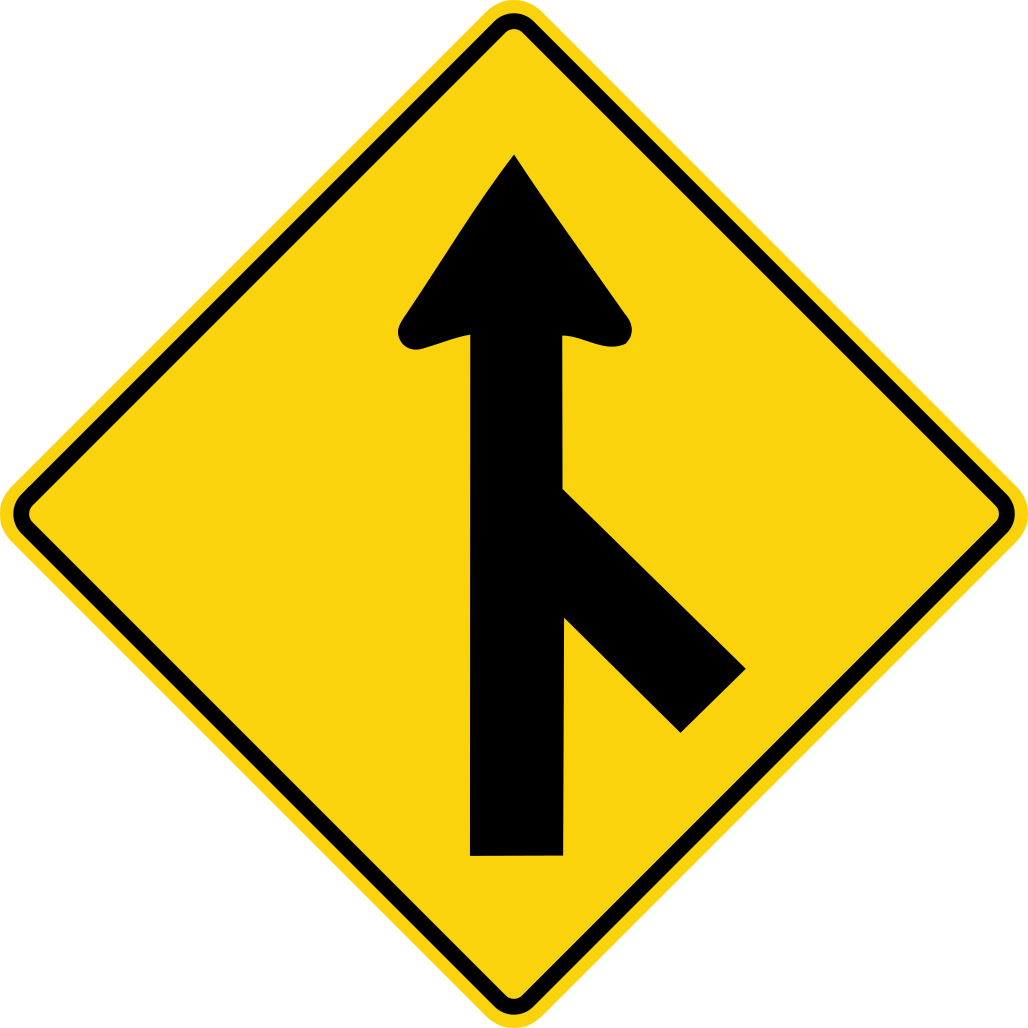 Merging traffic
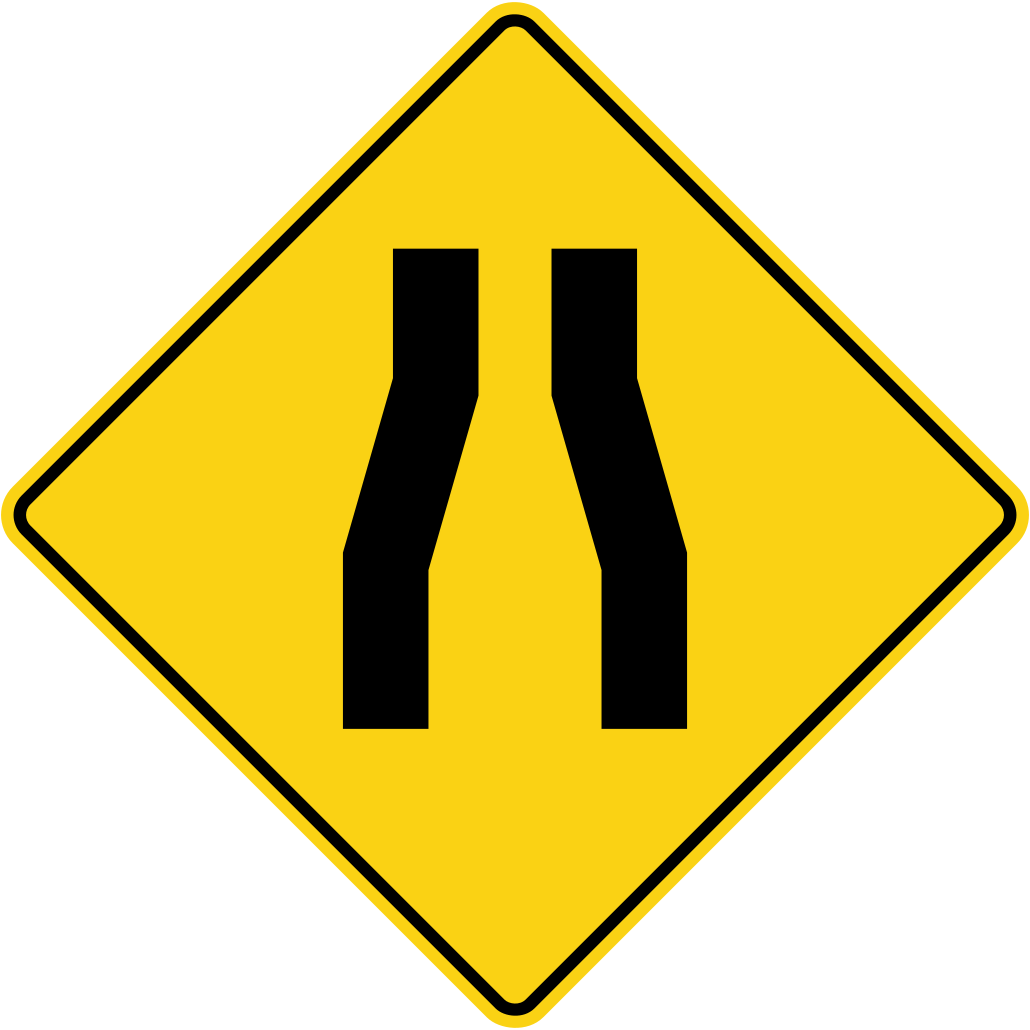 Road narrows both sides
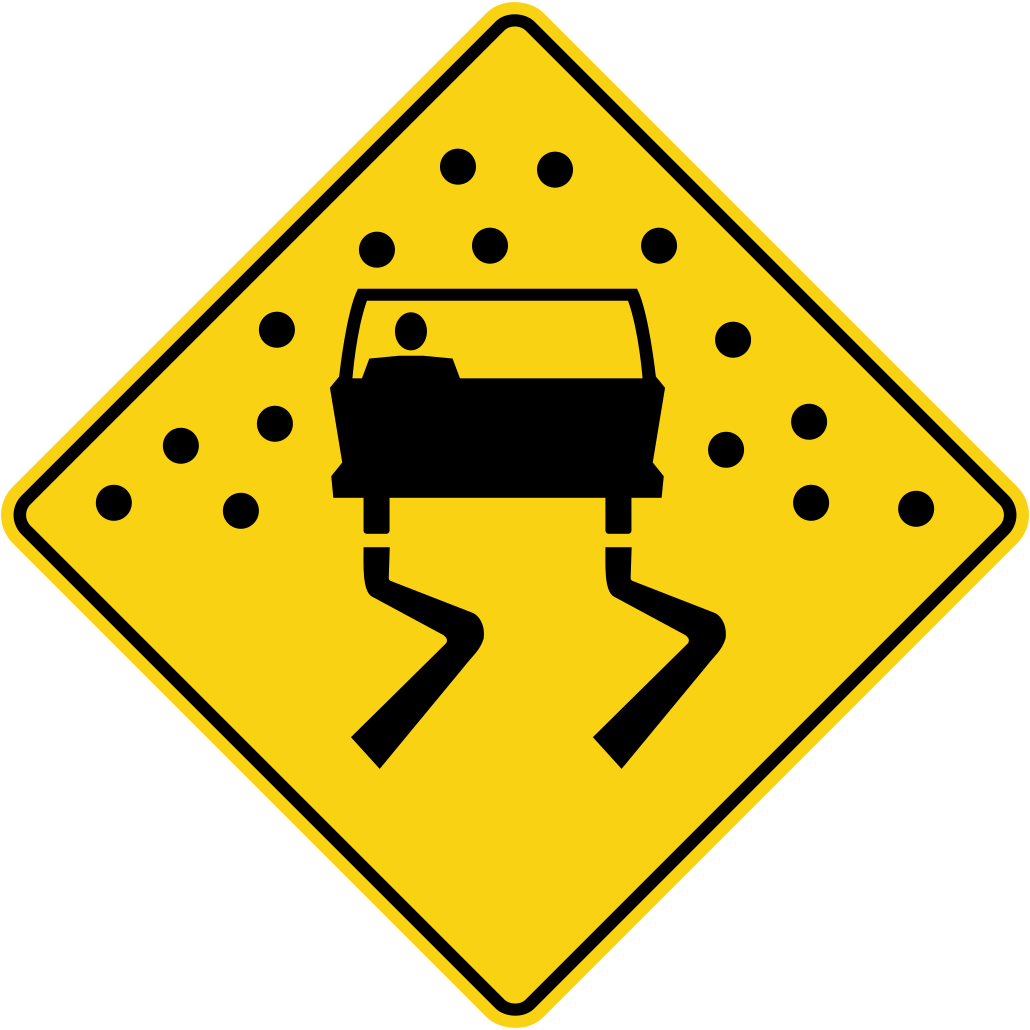 Slippery when wet
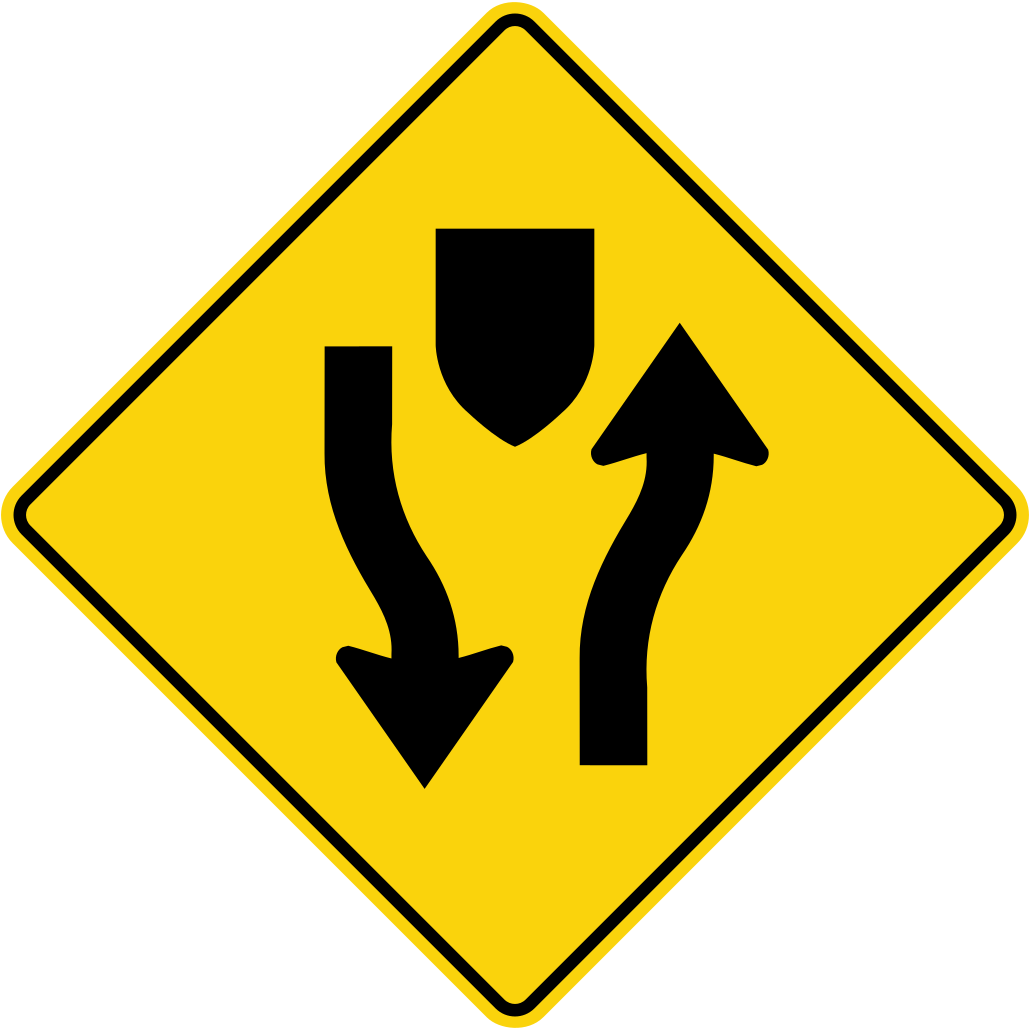 Divided highway begins
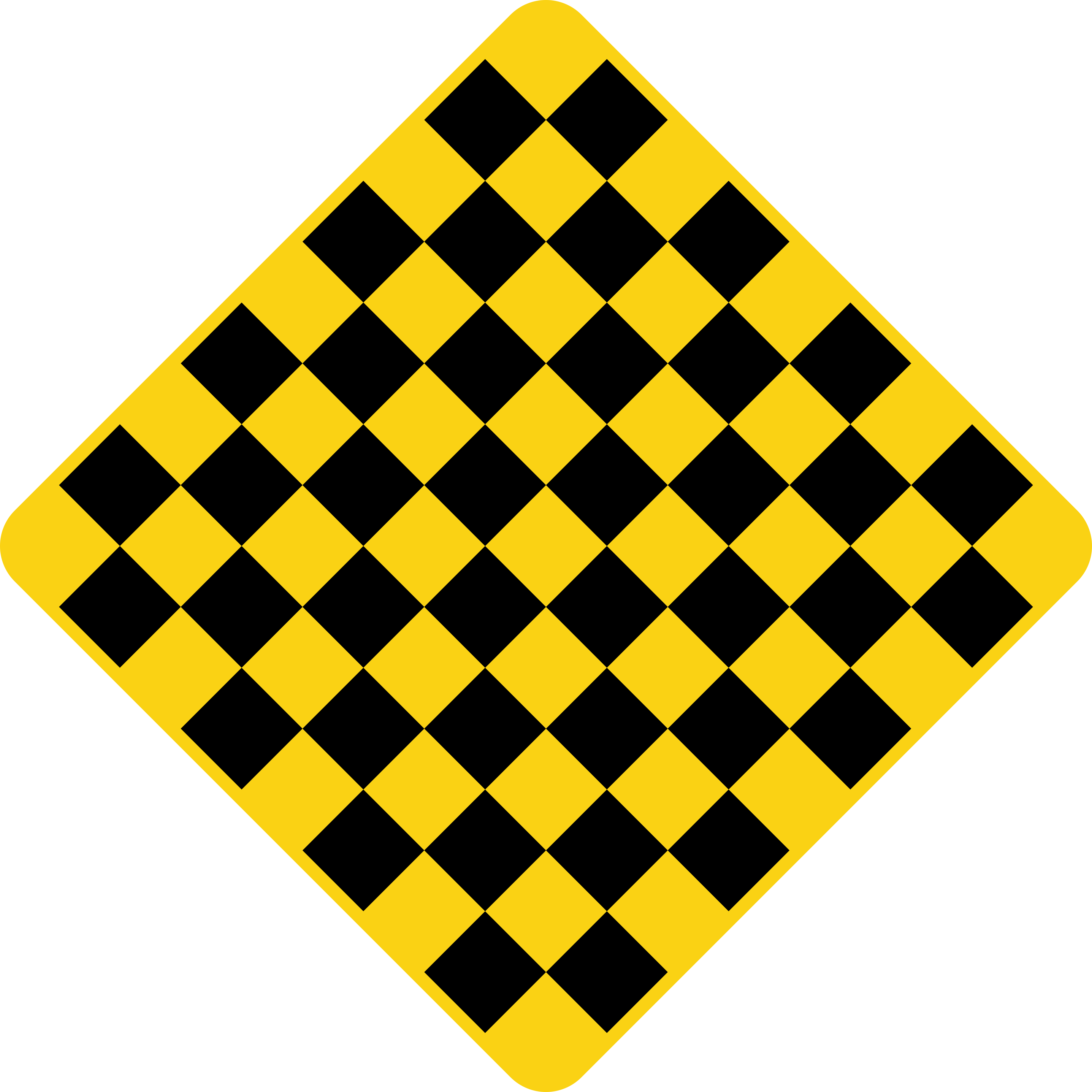 Dead end (checkerboard)
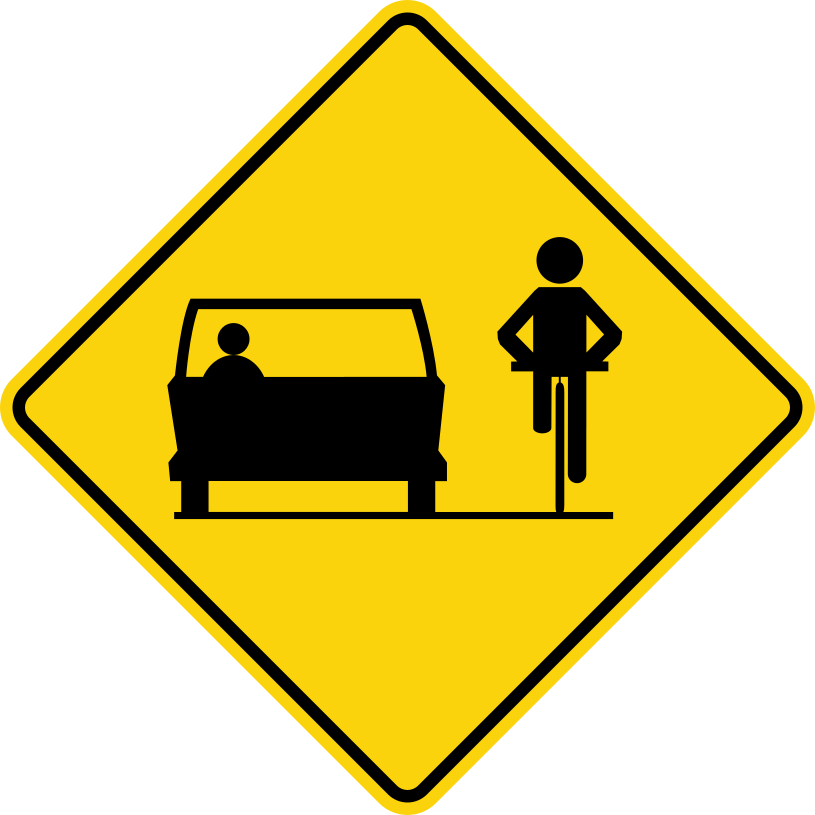 Share the road
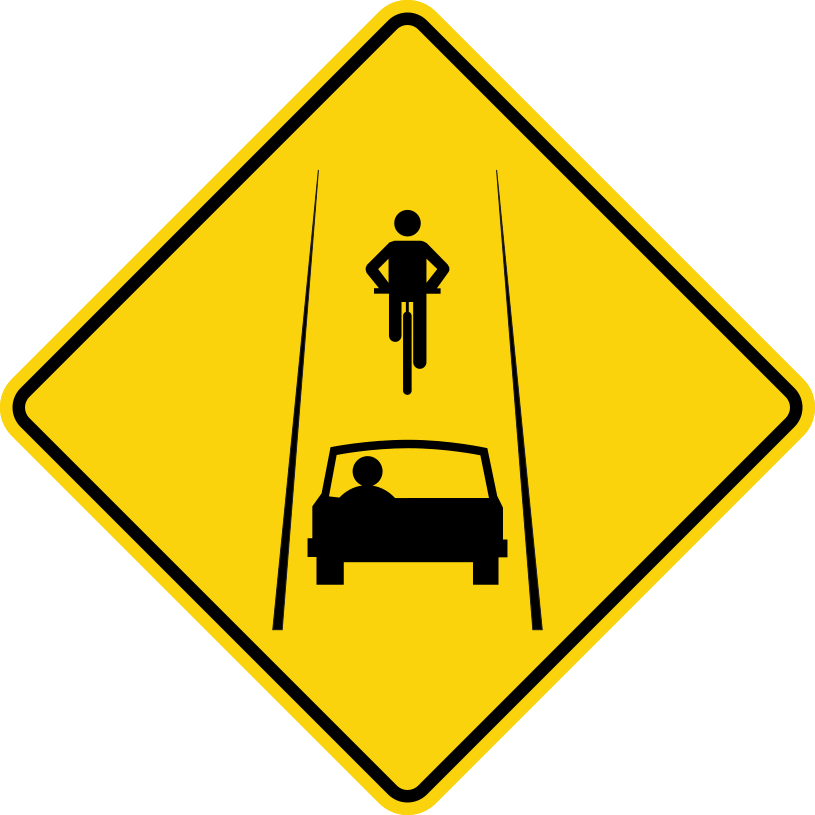 Single file (cyclists may use full lane)
Official source: Traffic control ↗ · Sharing the road ↗
7.Information, guide and other signs
- Information and guide signs tell you about routes, off-road facilities, geographical features and points of interest.
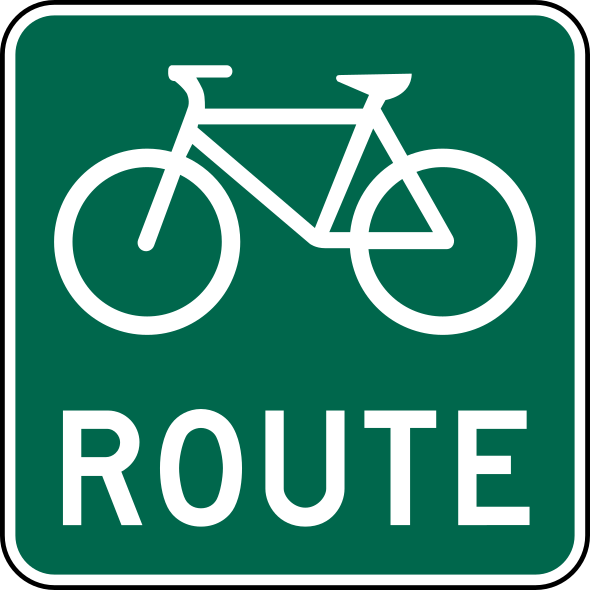
- Route markers show the number, name or other designation of a road, such as a highway route marker, the Trans-Canada or Yellowhead highway, or a bicycle route.
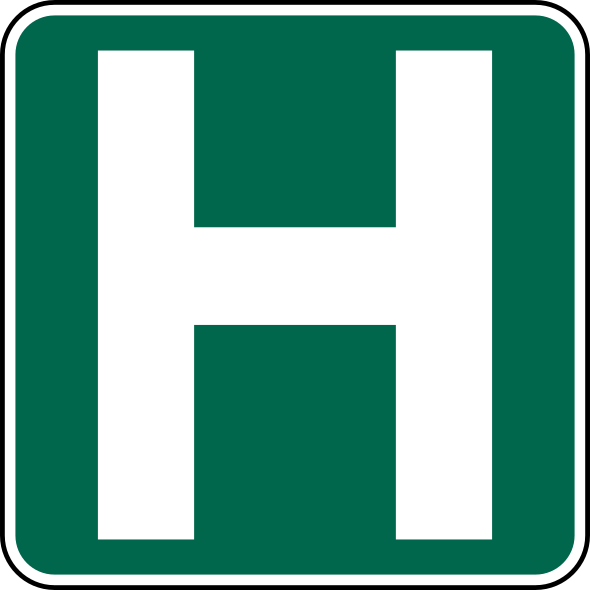
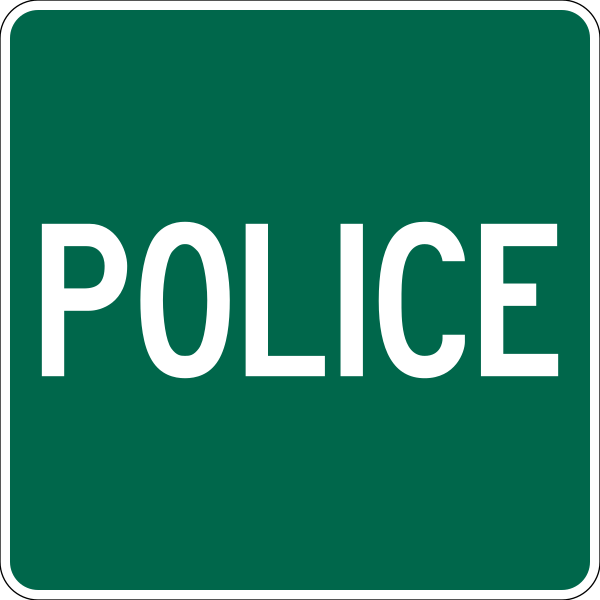
- Off-road facility signs show that a service or recreational area is available and which way to go: hospital, fuel, electric vehicle charging, food, accommodation, police and more.
- Destination signs give the direction, the distance, or both, to a destination.
- A slow-moving vehicle sign is on the back of vehicles that travel less than 40 km/h, such as farm tractors, machinery or construction equipment. Be ready to reduce your speed.
- An oversized load sign means a wide load is being carried; use caution when passing that vehicle.
- A TTY sign marks pay phones with a teletypewriter for people who are hearing or speech impaired.
Signs in this section
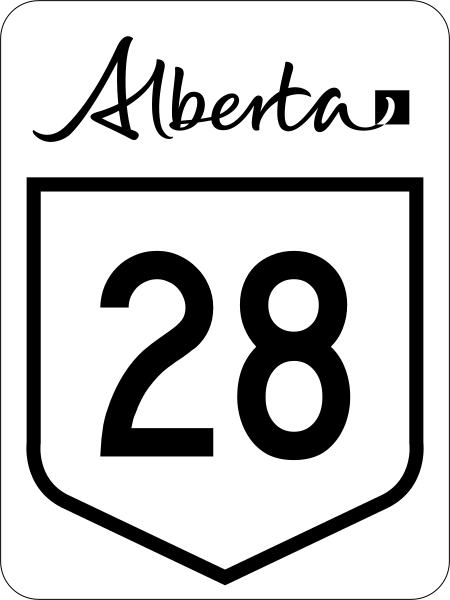

Official source: Traffic control ↗
8.Construction zones
- Construction signs are orange diamonds that give information about a construction area.
- Obey the construction zone speed limit at all times, even when no one is working: bumps, fresh oil and loose gravel may still be there.
- If workers are present, fines in construction zones are doubled.
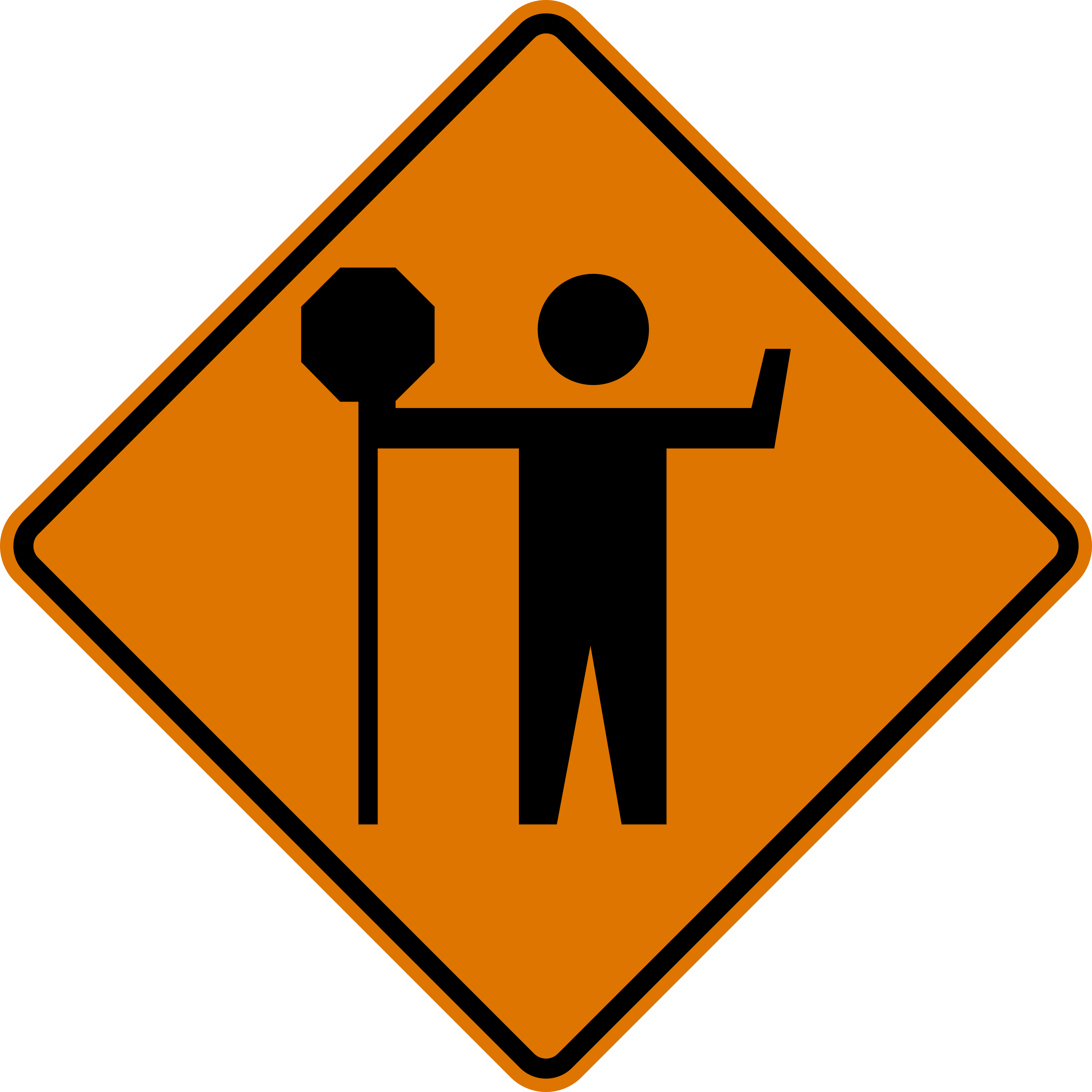
- Obey the flag person's signal and be prepared to slow down and stop if required.
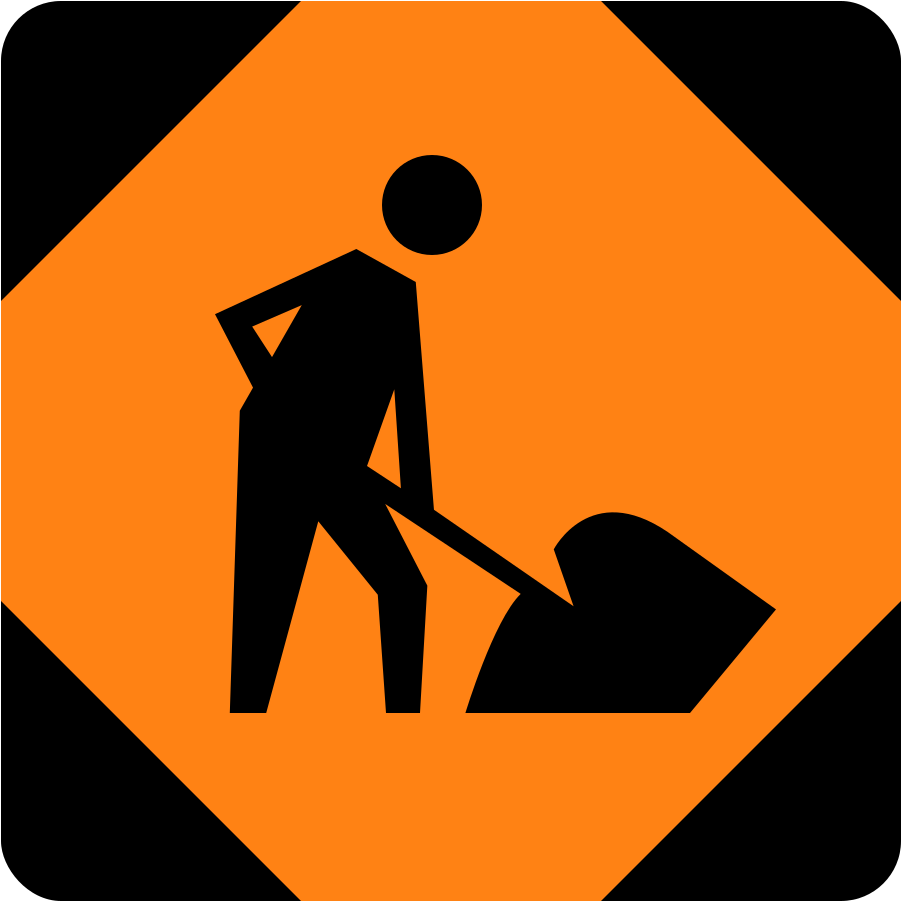
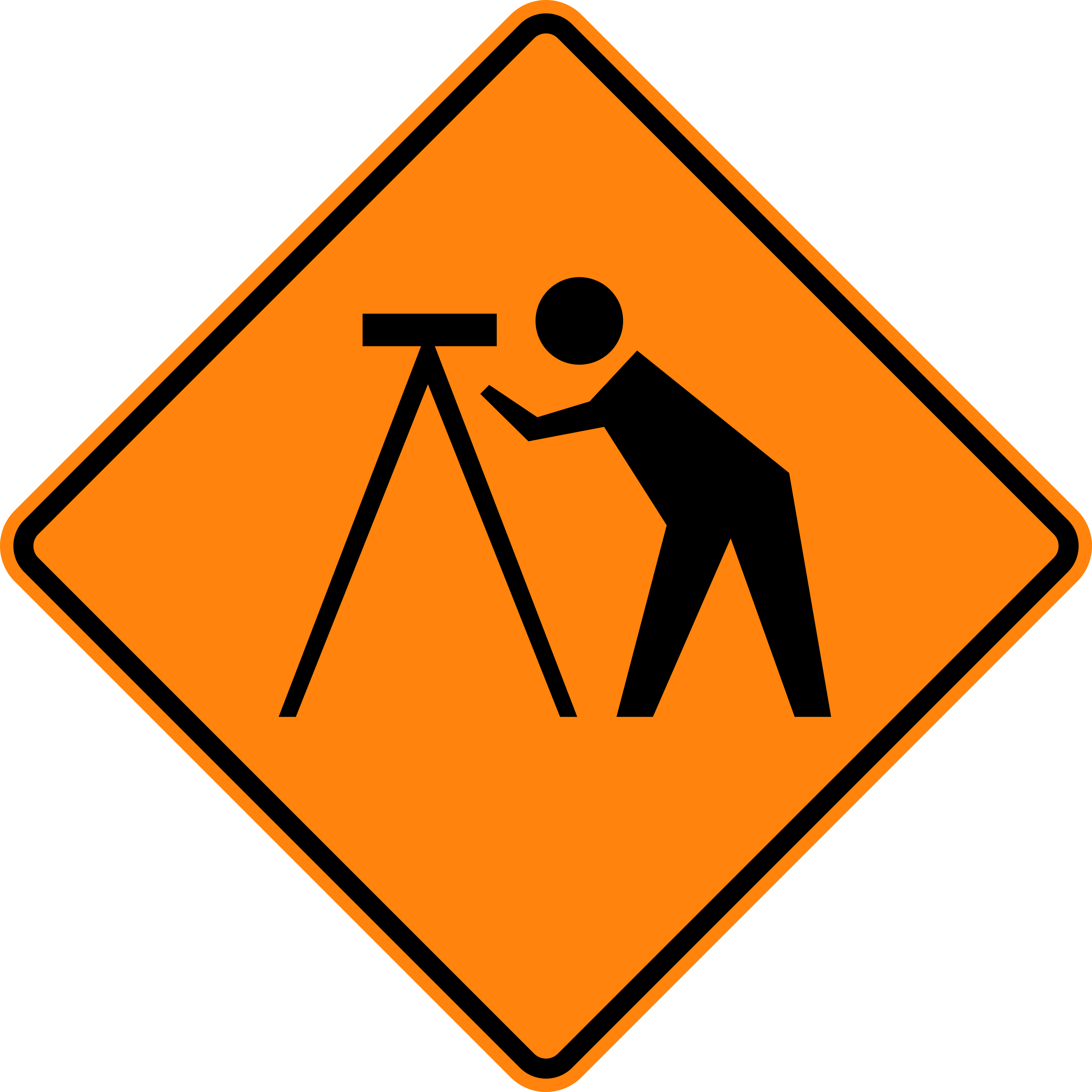
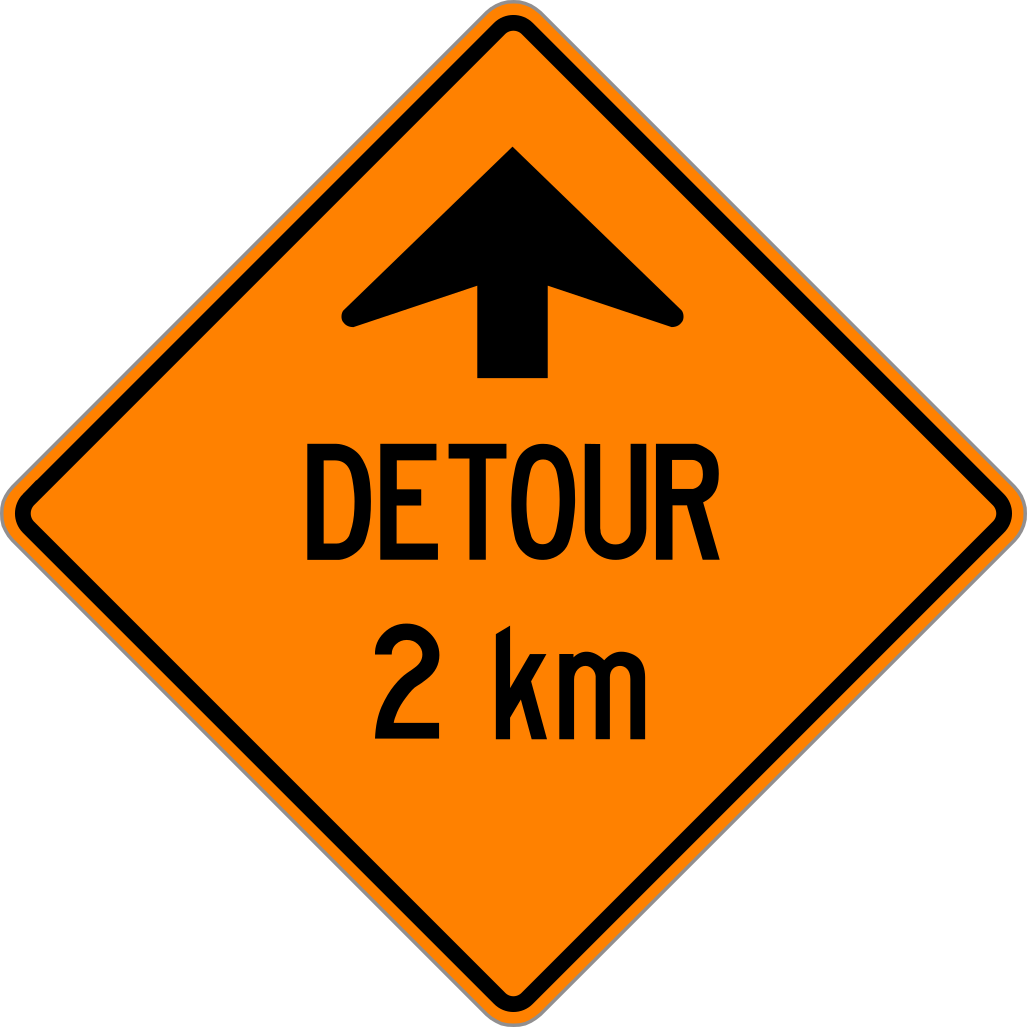
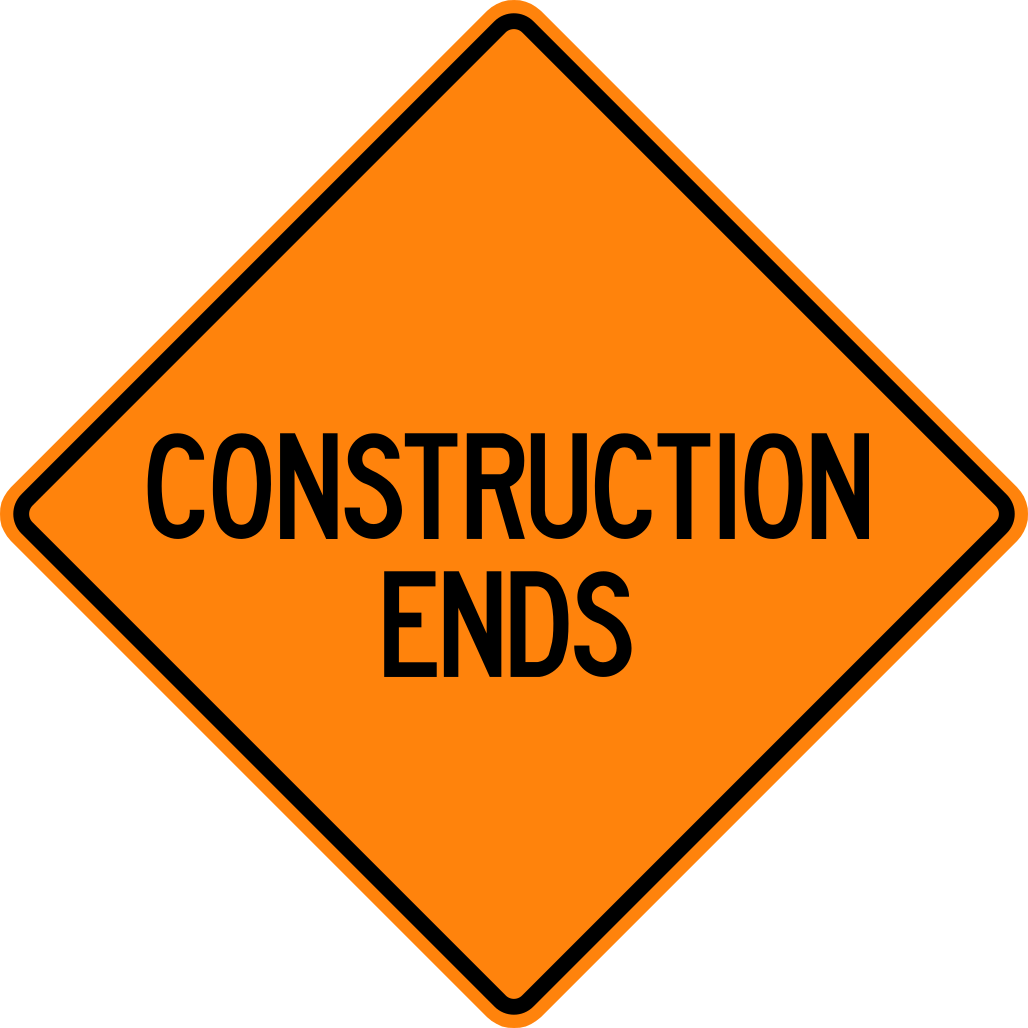
- Road construction warning signs include people working, flag person, survey crew ahead, uneven pavement, a detour for the distance shown, and construction zone ends.
Signs in this section
Official source: Traffic control ↗